


Why Shockwave Therapy Is Popular Among Athletes
Whether you compete professionally, participate in weekend sports, or simply enjoy staying active, injuries can be frustrating. Muscle strains, tendon problems, and chronic overuse injuries often interfere with training schedules and athletic performance. Many athletes want a treatment that helps them recover without relying on surgery or lengthy downtime. That is one of the reasons shockwave therapy has become an increasingly popular option.
At HealthWorks, our team understands how important it is to return to your favorite activities safely and confidently. We focus on conservative, non-invasive treatment options that support the body’s natural healing process. Shockwave therapy has become one of the valuable services we offer because it addresses many common musculoskeletal conditions that affect athletes and active individuals.
Rather than simply masking pain, shockwave therapy aims to stimulate healing in damaged tissues. This makes it an attractive option for people looking for long-term improvements in both comfort and function.
Understanding Shockwave Therapy
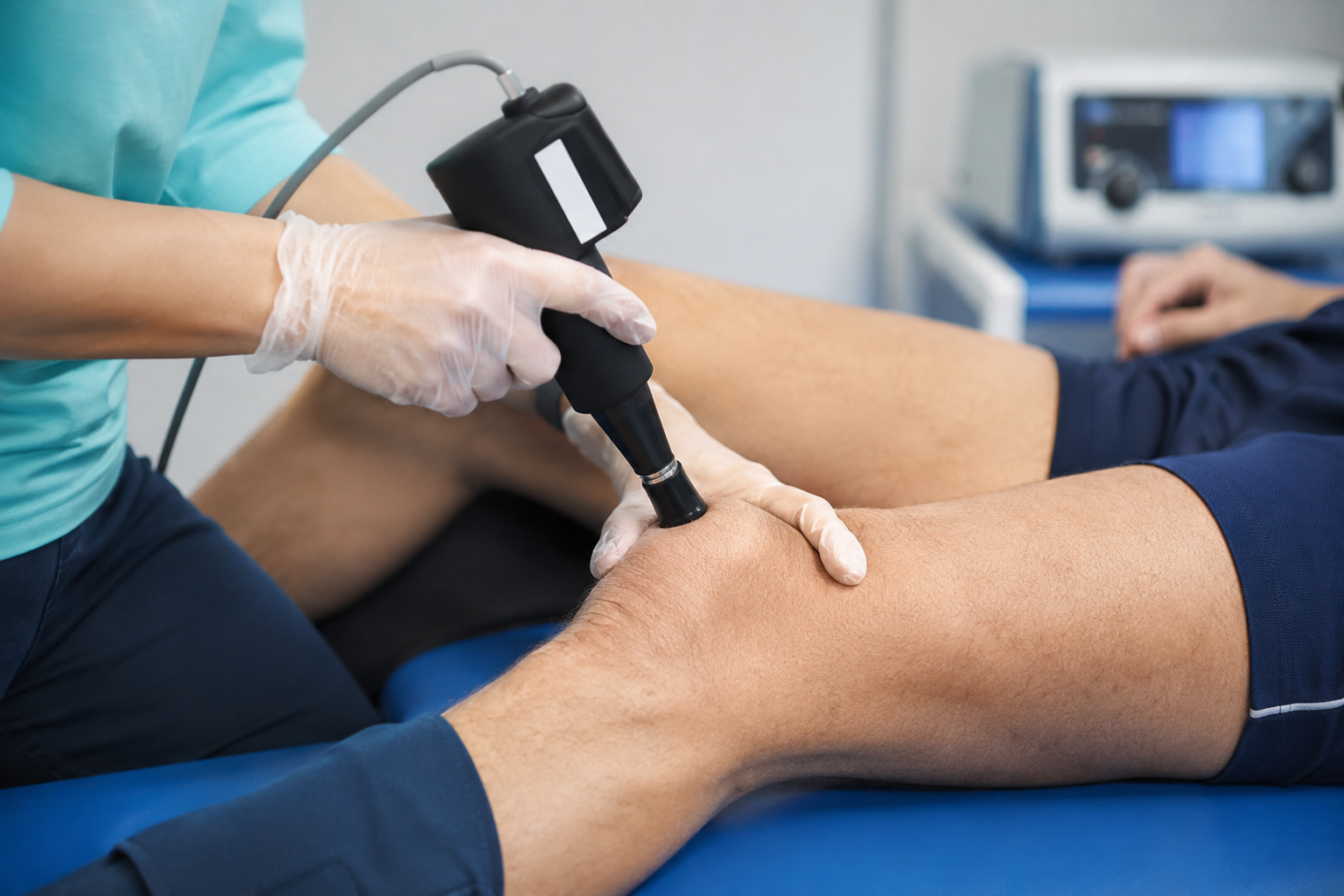
Shockwave therapy is a non-invasive treatment that uses acoustic waves to stimulate injured tissues. These high-energy sound waves are directed toward the affected area using a handheld device. According to the Cleveland Clinic, these types of therapies help activate the body’s natural healing response, encourage increased blood circulation, and support tissue regeneration.
Unlike surgical procedures, shockwave therapy does not require incisions, anesthesia, or extended recovery periods. Many patients can resume many of their normal daily activities shortly after treatment while following any recommendations provided by our team.
Athletes often appreciate treatments that minimize interruptions to their training schedules, which is one reason shockwave therapy continues gaining attention in sports medicine.
Why Athletes Frequently Experience Overuse Injuries
Athletes consistently place significant demands on their muscles, tendons, ligaments, and joints. Repetitive movement can eventually lead to microscopic tissue damage that accumulates faster than the body can repair it.
Common factors contributing to sports injuries include:
Repetitive training
Sudden increases in activity intensity
Poor movement mechanics
Muscle imbalances
Limited flexibility
Previous injuries
Inadequate recovery between workouts
While rest remains important, it is not always enough to stimulate complete healing when chronic tendon damage or persistent inflammation develops. This is where shockwave therapy may provide additional support.
Conditions Athletes Commonly Treat with Shockwave Therapy
One of the reasons athletes appreciate shockwave therapy is its versatility. It may be recommended for several common sports-related conditions.
Plantar Fasciitis
Running, jumping, and prolonged standing place tremendous stress on the plantar fascia. Persistent heel pain can significantly affect athletic performance.
Shockwave therapy may help stimulate healing in the damaged tissue while reducing discomfort that interferes with walking, running, and training.
Achilles Tendinopathy
The Achilles tendon absorbs enormous force during sprinting, jumping, and sudden directional changes. Chronic Achilles pain often develops gradually and can become difficult to resolve through rest alone.
Shockwave therapy helps encourage tissue repair while supporting improved tendon function over time.
Tennis Elbow
Although commonly associated with tennis players, lateral epicondylitis affects golfers, weightlifters, baseball players, and individuals who perform repetitive gripping movements.
Athletes often seek conservative treatment options before considering more invasive procedures.
Golfer’s Elbow
Repetitive wrist flexion places ongoing stress on the tendons inside the elbow. Shockwave therapy may assist the healing process by stimulating circulation and reducing chronic irritation.
Patellar Tendinopathy
Sometimes called “jumper’s knee,” this condition frequently affects basketball players, volleyball athletes, soccer players, and runners.
Repeated jumping creates excessive stress on the patellar tendon, eventually leading to chronic pain that limits athletic performance.
Shoulder Tendon Injuries
Swimming, baseball, volleyball, CrossFit, and weightlifting can all contribute to shoulder tendon irritation.
Shockwave therapy may be incorporated into a comprehensive rehabilitation program to improve tissue healing and shoulder mobility.
How Shockwave Therapy Supports Natural Healing
Unlike medications that primarily reduce symptoms, shockwave therapy focuses on improving the body’s natural repair mechanisms.
Several biological responses occur during treatment.
Improved Blood Flow
Healthy tissues require oxygen and nutrients to heal efficiently.
Shockwave therapy stimulates increased circulation around injured tissues, allowing improved delivery of the resources needed for repair.
Cellular Activation
The acoustic waves stimulate cellular activity involved in tissue regeneration. This process encourages healing where chronic injuries have slowed the body’s normal recovery response.
Collagen Production
Collagen forms the structural foundation of tendons and ligaments.
Shockwave therapy supports collagen production, helping strengthen injured tissues during the healing process.
Breakdown of Chronic Calcifications
Some tendon injuries develop calcium deposits that contribute to stiffness and pain.
Shockwave therapy may help break down these calcifications, allowing improved movement and reduced discomfort.
Pain Reduction
The treatment also influences nerve signaling, helping decrease pain sensitivity while encouraging long-term tissue recovery rather than simply masking symptoms.
Why Athletes Prefer Non-Surgical Options
Competitive athletes often seek treatments that minimize downtime while allowing them to continue progressing toward their goals.
Surgery can sometimes require months of rehabilitation, which may not always be necessary for every injury.
Shockwave therapy offers several potential advantages:
Non-invasive treatment
No surgical incisions
No general anesthesia
Minimal recovery time
Short treatment sessions
Supports natural healing
May reduce reliance on pain medications
Because each athlete’s condition is unique, our team performs a thorough evaluation before determining whether shockwave therapy is an appropriate option.
A Personalized Treatment Approach Matters
No two athletes experience injuries exactly the same way.
Two runners may both have Achilles tendon pain, but one may have poor ankle mobility while another has muscle imbalances contributing to excessive stress.
Rather than applying the same treatment to everyone, we evaluate several factors:
Medical history
Activity level
Training habits
Previous injuries
Pain location
Functional limitations
Overall health goals
This comprehensive approach allows us to develop individualized care plans that address both symptoms and contributing factors. More information about our philosophy and team can be found on our about page.
Shockwave Therapy Often Works Best as Part of a Comprehensive Plan
Although shockwave therapy is highly effective for many conditions, it is rarely viewed as a standalone solution.
At HealthWorks, we often combine shockwave therapy with other conservative treatments depending on each patient’s needs.
These may include:
Therapeutic exercise
Stretching programs
Manual therapy
Rehabilitation exercises
Movement correction
Lifestyle recommendations
Activity modifications
Combining therapies helps optimize recovery while reducing the likelihood of recurring injuries. For more insights on injury management, feel free to explore our blog.
Recovery Looks Different for Every Athlete
One question we frequently hear is, “How quickly will I notice improvement?”
The answer varies depending on several factors, including:
Type of injury
Severity of tissue damage
Duration of symptoms
Overall health
Activity level
Consistency with rehabilitation
Some patients notice improvements after only a few sessions, while others experience gradual progress as healing continues over several weeks. Because tissue repair takes time, patience and adherence to the recommended treatment plan are essential for achieving the best possible outcome.
What to Expect During a Shockwave Therapy Appointment
Many athletes are interested in shockwave therapy but are unsure what happens during a treatment session. Understanding the process can help patients feel more comfortable before beginning care.
Our team starts by evaluating the injured area and discussing your symptoms, activity level, and recovery goals. This allows us to determine the most appropriate treatment plan for your condition.
During the procedure, a handheld device delivers controlled acoustic waves to the affected tissue. You may feel mild discomfort as the sound waves reach the injured area, especially if the tissue is particularly sensitive. However, most patients tolerate the treatment well, and sessions are generally brief.
Following treatment, some people experience mild soreness similar to what they might feel after an intense workout. This typically resolves within a short period and is often considered a normal part of the body’s healing response.
Because shockwave therapy is non-invasive, many patients can return to their normal daily routines shortly after their appointment. Depending on your injury and treatment plan, our team may recommend temporarily modifying certain activities to give the tissue the best opportunity to heal.
Staying Active During Recovery
One of the biggest concerns athletes have is losing progress while recovering from an injury. Fortunately, many patients can continue participating in modified training programs while undergoing shockwave therapy.
Instead of complete inactivity, we often encourage appropriate movement that supports healing without placing unnecessary stress on the injured tissue. This balanced approach helps maintain strength, flexibility, and cardiovascular fitness while reducing the risk of further injury.
Every recovery plan is individualized because returning to activity too quickly—or waiting too long—can both delay progress. Our team works closely with each patient to recommend activity levels that match their stage of healing.
Why Early Treatment Matters
Athletes sometimes ignore pain, assuming it will disappear with time. Unfortunately, continuing to train through chronic tendon pain or repetitive stress injuries may allow the condition to worsen.
Seeking evaluation early offers several potential advantages:
Helps identify the source of pain before it progresses.
Supports earlier intervention with conservative treatment.
May reduce recovery time compared to waiting until symptoms become severe.
Helps maintain athletic performance with fewer interruptions.
Encourages long-term tissue health and injury prevention.
Addressing problems sooner rather than later often allows athletes to return to the activities they enjoy with greater confidence.
Frequently Asked Questions
Is shockwave therapy only for professional athletes?
No. While many professional athletes use shockwave therapy, it is also beneficial for recreational athletes, fitness enthusiasts, active adults, and anyone experiencing certain musculoskeletal conditions. Whether you enjoy running, golf, tennis, pickleball, or simply staying active, shockwave therapy may be an appropriate treatment depending on your condition.
How many treatments will I need?
The number of sessions varies depending on the type and severity of the injury. Some patients experience improvement after only a few visits, while others benefit from a series of treatments as part of a comprehensive rehabilitation plan. Our team will discuss realistic expectations based on your individual evaluation.
Does the treatment hurt?
Most patients describe the sensation as mildly uncomfortable rather than painful. Areas with more inflammation may feel more sensitive during treatment, but sessions are generally well tolerated and relatively quick.
Is there downtime afterward?
One of the major advantages of shockwave therapy is that it requires little to no downtime. Most patients return to normal daily activities shortly after treatment, although strenuous exercise may need to be temporarily modified depending on the condition being treated.
Can shockwave therapy help prevent future injuries?
While no treatment can completely prevent injuries, improving tissue healing, addressing chronic tendon problems, and combining therapy with proper rehabilitation may help reduce the likelihood of recurring issues. Strengthening, mobility work, and proper training techniques remain important parts of long-term injury prevention.
Helping Athletes Return to What They Love
Recovering from an injury is about more than reducing pain. For many athletes, it means regaining confidence, improving movement, and returning to the activities that bring purpose, enjoyment, and accomplishment.
At HealthWorks, our goal is to provide conservative treatment options that support your body’s natural healing process while helping you move better and perform with greater confidence. Shockwave therapy is one of several services we offer to address chronic tendon injuries, overuse conditions, and sports-related pain without surgery whenever appropriate.
Every patient receives an individualized evaluation because no two injuries—or recovery journeys—are exactly alike. By understanding your goals and functional limitations, we can develop a treatment plan designed to help you recover safely and effectively.
Conclusion
Athletes continually challenge their bodies, making occasional injuries an unfortunate reality. When pain begins to interfere with training, competition, or everyday activities, finding a treatment that encourages healing without surgery is often a top priority.
Shockwave therapy has become increasingly popular because it targets damaged tissues, stimulates the body’s natural repair processes, improves circulation, supports collagen production, and helps reduce chronic pain associated with many common sports injuries. Whether you’re dealing with plantar fasciitis, Achilles tendinopathy, tennis elbow, jumper’s knee, or other overuse injuries, this non-invasive therapy may be an effective part of your recovery plan.
Combined with personalized rehabilitation, movement correction, and patient education, shockwave therapy can help athletes recover more efficiently and return to the activities they enjoy with greater confidence.
If chronic pain or a sports injury is limiting your performance, our team at HealthWorks is here to help. We offer comprehensive evaluations and personalized treatment plans that focus on restoring function, reducing discomfort, and supporting long-term recovery.
Whether you’re a competitive athlete, weekend warrior, or simply want to stay active, we’re committed to helping you move with confidence again.
HealthWorks
📍 1240-A Central Ave, Summerville, SC 29483
📞 (843) 821-8787
🌐 healthworksmed.com
Schedule an appointment today to learn whether shockwave therapy may be the right solution for your recovery goals. We look forward to helping you get back to doing what you love.