


Healing Hands at Work: Why Therapeutic Massage Is More Than Just Relaxation
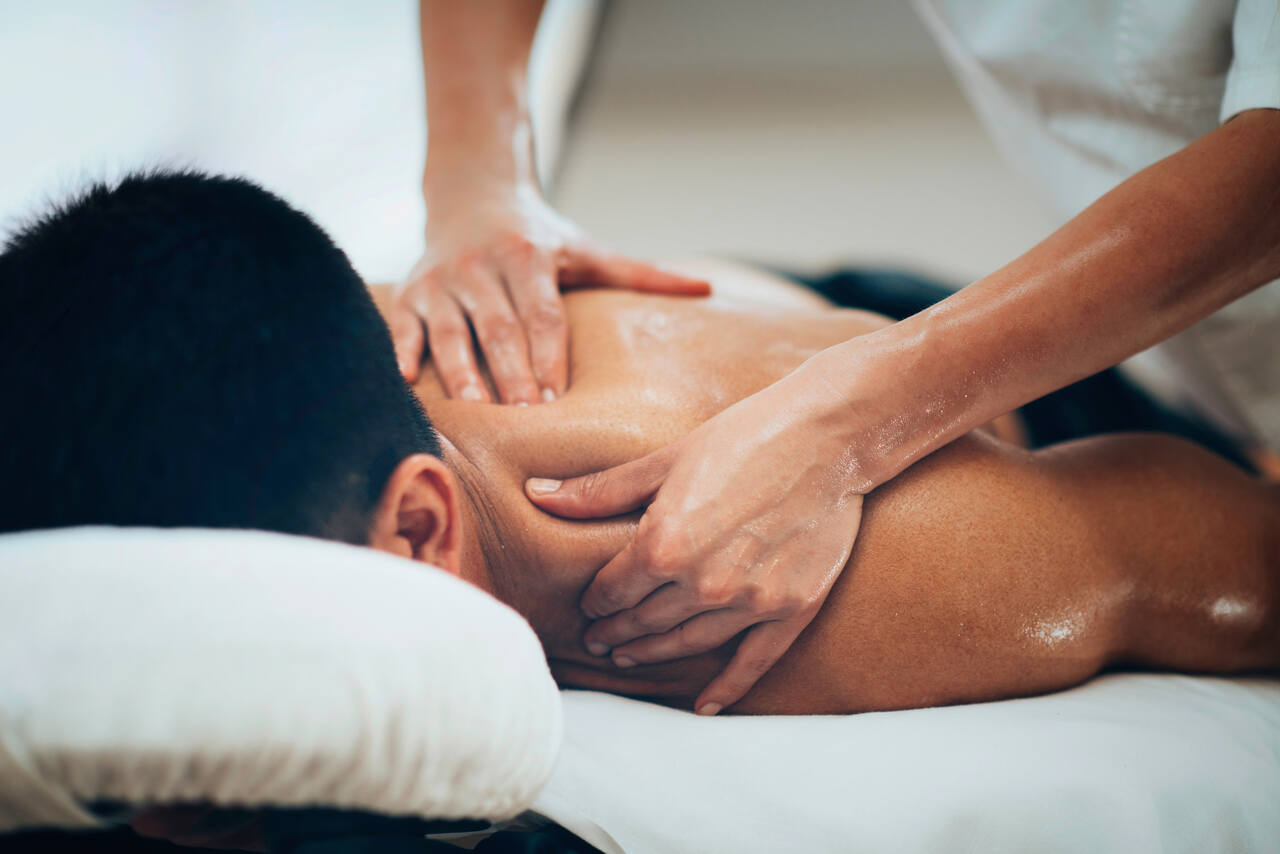
In today’s fast-paced world, stress, muscle tension, poor posture, and chronic pain have become common challenges for people of all ages. Many individuals think of massage therapy as an occasional luxury reserved for spa days or vacations. While massage certainly promotes relaxation, therapeutic massage offers far more than temporary comfort. It is a powerful healthcare service that can support pain relief, improve mobility, enhance recovery, reduce stress, and contribute to overall wellness.
At HealthWorks of Summerville, massage therapy is offered as part of a comprehensive approach to helping patients feel better, move better, and live healthier lives. The clinic provides multiple health and wellness services under one roof, including chiropractic care, spinal decompression, shockwave therapy, EMTT treatment, and massage therapy, allowing patients to benefit from integrated care tailored to their needs.
Whether you are dealing with chronic pain, recovering from an injury, experiencing workplace stress, or simply looking to improve your quality of life, therapeutic massage can play an important role in your wellness journey.
Understanding Therapeutic Massage
Therapeutic massage is a hands-on treatment that involves manipulating muscles, connective tissues, tendons, ligaments, and other soft tissues throughout the body. Unlike a relaxation-focused spa massage, therapeutic massage is often designed with specific health goals in mind.
These goals may include:
Reducing muscle tension
Improving circulation
Relieving pain
Increasing flexibility
Supporting injury recovery
Enhancing athletic performance
Reducing stress-related symptoms
Promoting overall wellness
A trained massage therapist evaluates your needs and applies techniques designed to address specific areas of concern. Every session can be customized according to your symptoms, physical condition, and treatment goals.
The Science Behind Massage Therapy
Massage therapy works through several physiological mechanisms that benefit the body.
Improved Blood Circulation
One of the primary effects of massage is improved circulation. The pressure applied during massage encourages blood flow to muscles and tissues. Better circulation helps deliver oxygen and nutrients while removing metabolic waste products that may contribute to soreness and inflammation.
When circulation improves, tissues receive the support they need for healing and recovery.
Reduced Muscle Tension
Muscles often become tight due to stress, repetitive motions, poor posture, or injury. Tight muscles can restrict movement and contribute to pain.
Massage helps loosen these tight areas, improving flexibility and reducing discomfort. As muscles relax, surrounding joints may also experience improved mobility and function.
Nervous System Regulation
Massage influences the nervous system by encouraging a shift from the body’s “fight-or-flight” response to the “rest-and-digest” state. This promotes relaxation, lowers stress hormone levels, and supports recovery.
Many patients report feeling calmer, sleeping better, and experiencing improved mood following massage sessions.
Enhanced Recovery Processes
Massage can stimulate the body’s natural healing mechanisms by increasing circulation and reducing soft tissue restrictions. This may support recovery after injuries, physical activity, or chronic strain.
Therapeutic Massage and Pain Relief
One of the most common reasons people seek massage therapy is pain management.
Pain can originate from various sources, including:
Muscle tension
Sports injuries
Poor posture
Overuse injuries
Chronic conditions
Stress-related muscle tightness
Joint dysfunction
Therapeutic massage helps address many of these issues by targeting soft tissue restrictions that contribute to discomfort.
Back Pain
Back pain is among the leading causes of disability worldwide. Long hours spent sitting, improper lifting techniques, repetitive movements, and muscular imbalances can all contribute to back pain.
Massage therapy can help by:
Releasing tight muscles
Improving circulation
Reducing muscle spasms
Enhancing flexibility
Supporting overall spinal health
When combined with chiropractic care or other therapies, massage often becomes an important component of a comprehensive treatment plan. HealthWorks emphasizes personalized treatment approaches for musculoskeletal pain and mobility concerns.
Neck Pain and Shoulder Tension
Modern lifestyles frequently involve extended computer use, smartphone use, and desk work. These activities often place excessive stress on the neck and shoulders.
Massage can help:
Reduce muscle tightness
Improve range of motion
Decrease tension headaches
Relieve stiffness
Enhance posture awareness
Patients often notice significant improvements in comfort after addressing chronic tension patterns.
Sciatica and Lower Body Discomfort
Tight muscles in the lower back, hips, and legs can contribute to nerve irritation and discomfort.
Therapeutic massage may help reduce tension around affected areas and improve mobility, making daily activities more manageable.
Massage Therapy for Stress Management
Stress affects nearly every system in the body.
Chronic stress can contribute to:
Headaches
Fatigue
Muscle tension
Sleep disturbances
Digestive issues
Anxiety
Reduced concentration
Massage therapy offers a natural way to counteract these effects.
Lower Stress Hormones
Research has shown that massage may help lower cortisol levels, the body’s primary stress hormone.
Reduced cortisol levels can contribute to:
Improved mood
Better sleep quality
Enhanced immune function
Reduced anxiety
Greater emotional balance
Improved Relaxation
Many individuals describe massage sessions as opportunities to disconnect from daily pressures and focus on self-care.
This dedicated relaxation time can have lasting benefits beyond the treatment room.
The Connection Between Massage and Better Sleep
Sleep is essential for health, yet millions of people struggle with insomnia and poor sleep quality.
Massage therapy may support better sleep by:
Promoting relaxation
Reducing pain
Decreasing anxiety
Calming the nervous system
Reducing muscle tension
Many patients report deeper and more restorative sleep following massage treatments.
Improved sleep can positively influence:
Energy levels
Mood
Cognitive performance
Recovery
Overall health
Supporting Injury Recovery
Injuries often result in inflammation, stiffness, and limited mobility.
Massage therapy can support rehabilitation by:
Improving circulation
Reducing soft tissue restrictions
Enhancing flexibility
Decreasing pain
Supporting tissue healing
Athletes and active individuals frequently incorporate massage into their recovery routines because it helps them return to activities more comfortably.
Massage is commonly used alongside other rehabilitation approaches to optimize outcomes and support long-term recovery.
Massage Therapy for Athletes
Athletes place significant demands on their bodies.
Training, competition, and repetitive movements can lead to:
Muscle soreness
Tightness
Reduced flexibility
Overuse injuries
Massage therapy can provide several benefits for athletes, including:
Improved Recovery
Massage helps promote circulation and reduce muscle tightness after intense physical activity.
Enhanced Flexibility
Flexible muscles and connective tissues contribute to better movement efficiency and injury prevention.
Performance Support
By maintaining tissue health and reducing restrictions, massage may help athletes perform at higher levels.
Injury Prevention
Routine massage can identify and address problem areas before they become more serious.
Posture Improvement Through Massage
Poor posture is increasingly common due to sedentary lifestyles and prolonged screen use.
Common posture-related issues include:
Forward head posture
Rounded shoulders
Tight hip flexors
Lower back strain
Massage therapy helps address muscular imbalances that contribute to poor posture.
By releasing tight muscles and improving mobility, patients often find it easier to maintain healthier alignment throughout daily activities.
When combined with corrective exercises and chiropractic care, massage can become an important part of posture improvement strategies.
The Emotional Benefits of Therapeutic Massage
Massage therapy does not only benefit the body—it can also support emotional well-being.
Physical touch, when provided in a professional therapeutic setting, can have profound effects on mental health.
Potential emotional benefits include:
Reduced anxiety
Improved mood
Increased relaxation
Enhanced sense of well-being
Reduced feelings of overwhelm
Many patients view massage as an important part of maintaining both physical and mental balance.
Massage Therapy and Chronic Conditions
Individuals living with chronic conditions often experience ongoing discomfort and functional limitations.
Therapeutic massage may help manage symptoms associated with:
Chronic neck pain
Chronic back pain
Arthritis-related stiffness
Fibromyalgia
Repetitive strain injuries
Stress-related tension
While massage is not a cure for these conditions, it can often serve as a valuable complementary therapy that improves quality of life.
Why Integrative Care Matters
One of the advantages of receiving massage therapy within a healthcare-focused environment is the opportunity for coordinated care.
At HealthWorks, patients can access multiple services under one roof, including chiropractic care, spinal decompression, shockwave therapy, EMTT treatment, body sculpting services, and massage therapy. This integrated approach allows providers to address various aspects of health and recovery.
For example:
A patient with back pain may benefit from chiropractic adjustments and massage therapy.
An athlete recovering from an injury may combine massage with other rehabilitation services.
A patient experiencing chronic tension may receive a personalized treatment plan that targets multiple contributing factors.
Integrated care often leads to more comprehensive and individualized treatment experiences.
What to Expect During a Therapeutic Massage Session
If you have never received a therapeutic massage before, you may wonder what the experience involves.
Initial Consultation
The session typically begins with a discussion about:
Health history
Current symptoms
Pain levels
Goals for treatment
Areas of concern
Personalized Treatment Plan
The therapist develops a treatment approach tailored to your needs.
Different levels of pressure and techniques may be used depending on your condition and comfort level.
Treatment Session
During the massage, the therapist works on targeted muscle groups and soft tissues.
Communication is encouraged throughout the session to ensure comfort and effectiveness.
Post-Treatment Recommendations
After the session, you may receive guidance regarding:
Hydration
Stretching
Activity modification
Follow-up care
How Often Should You Get a Massage?
The ideal frequency varies from person to person.
Factors include:
Health goals
Activity level
Stress levels
Existing conditions
Budget
Some people benefit from weekly sessions, while others may schedule treatments monthly or as needed.
A qualified therapist can help determine an appropriate schedule based on your individual circumstances.
Signs You Could Benefit From Therapeutic Massage
You may be a good candidate for massage therapy if you experience:
Frequent muscle tension
Chronic pain
Headaches
Neck stiffness
Shoulder tightness
Back discomfort
Stress and anxiety
Sleep difficulties
Sports-related soreness
Limited flexibility
Even individuals without significant pain often benefit from massage as a proactive wellness practice.
Investing in Your Long-Term Health
Many people seek healthcare only after symptoms become severe.
Therapeutic massage encourages a proactive approach to wellness.
Regular sessions may help:
Maintain mobility
Reduce tension
Improve recovery
Enhance stress management
Support overall quality of life
Rather than viewing massage as an occasional luxury, many patients discover it is a valuable investment in long-term health and well-being.
Frequently Asked Questions
Is therapeutic massage painful?
Massage should not be excessively painful. Some techniques may involve deeper pressure, but therapists can adjust treatment according to your comfort level.
How long does a massage session last?
Sessions commonly range from 30 to 90 minutes depending on treatment goals and individual needs.
Can massage help with chronic pain?
Many patients with chronic pain find massage beneficial as part of a comprehensive treatment plan. Results vary based on the underlying condition and individual circumstances.
Will I be sore afterward?
Some mild soreness can occur, particularly after deeper therapeutic work. This usually resolves within a day or two.
Is massage therapy only for people with pain?
No. Many people receive massage for stress reduction, relaxation, athletic recovery, wellness maintenance, and improved mobility.
Can massage be combined with chiropractic care?
Yes. Massage therapy and chiropractic care are often complementary treatments that address different aspects of musculoskeletal health.
How soon will I notice results?
Some individuals experience relief after a single session, while others may require multiple treatments depending on their condition.
Is massage therapy safe?
Massage is generally safe for most people when provided by trained professionals. However, certain medical conditions may require modifications or physician approval.
Conclusion
Therapeutic massage is far more than a relaxing indulgence. It is a valuable healthcare service that can support pain relief, stress reduction, injury recovery, improved mobility, better sleep, and enhanced overall wellness. By addressing both physical and emotional tension, massage therapy helps patients achieve a healthier balance in their daily lives.
Whether you are dealing with chronic discomfort, recovering from physical activity, managing stress, or simply seeking proactive wellness care, therapeutic massage can be an important part of your healthcare journey. When integrated with other treatment options, it offers a comprehensive approach to helping the body function at its best.
If you’re ready to experience the benefits of therapeutic massage, the team at HealthWorks is here to help. Their comprehensive wellness approach combines massage therapy with a variety of healthcare services designed to support pain relief, recovery, mobility, and overall health.
HealthWorks of Summerville
📍 Address: 1240-A Central Ave, Summerville, SC 29483
📞 Phone: (843) 821-8787
🌐 Website: https://healthworksmed.com
Contact HealthWorks today to schedule your appointment and discover how therapeutic massage can help you feel better, move better, and live better.