


From Pain to Performance: How Shockwave Therapy Revives Injured Tissues
Chronic pain has become one of the most common health challenges in modern society. Whether it stems from sports injuries, repetitive strain, poor posture, aging, or degenerative conditions, millions of people struggle daily with discomfort that limits movement, sleep, and overall quality of life.
For many, traditional treatments such as pain medications, rest, braces, or even physical therapy provide only temporary relief. The underlying tissue damage often remains unresolved, leading to recurring symptoms and long-term dysfunction.
This is where Shockwave Therapy (Extracorporeal Shockwave Therapy – ESWT) has emerged as a groundbreaking solution in regenerative medicine.
At HealthWorks, we utilize advanced shockwave technology to help patients move beyond symptom management and into real tissue healing and functional recovery.
This comprehensive guide explains how shockwave therapy works, why it is so effective, what conditions it treats, and how it is transforming modern pain management.
Understanding Shockwave Therapy: A Biological Reset for Injured Tissue
Shockwave therapy is a non-invasive regenerative treatment that uses high-energy acoustic waves to stimulate healing in damaged muscles, tendons, ligaments, and bone structures.
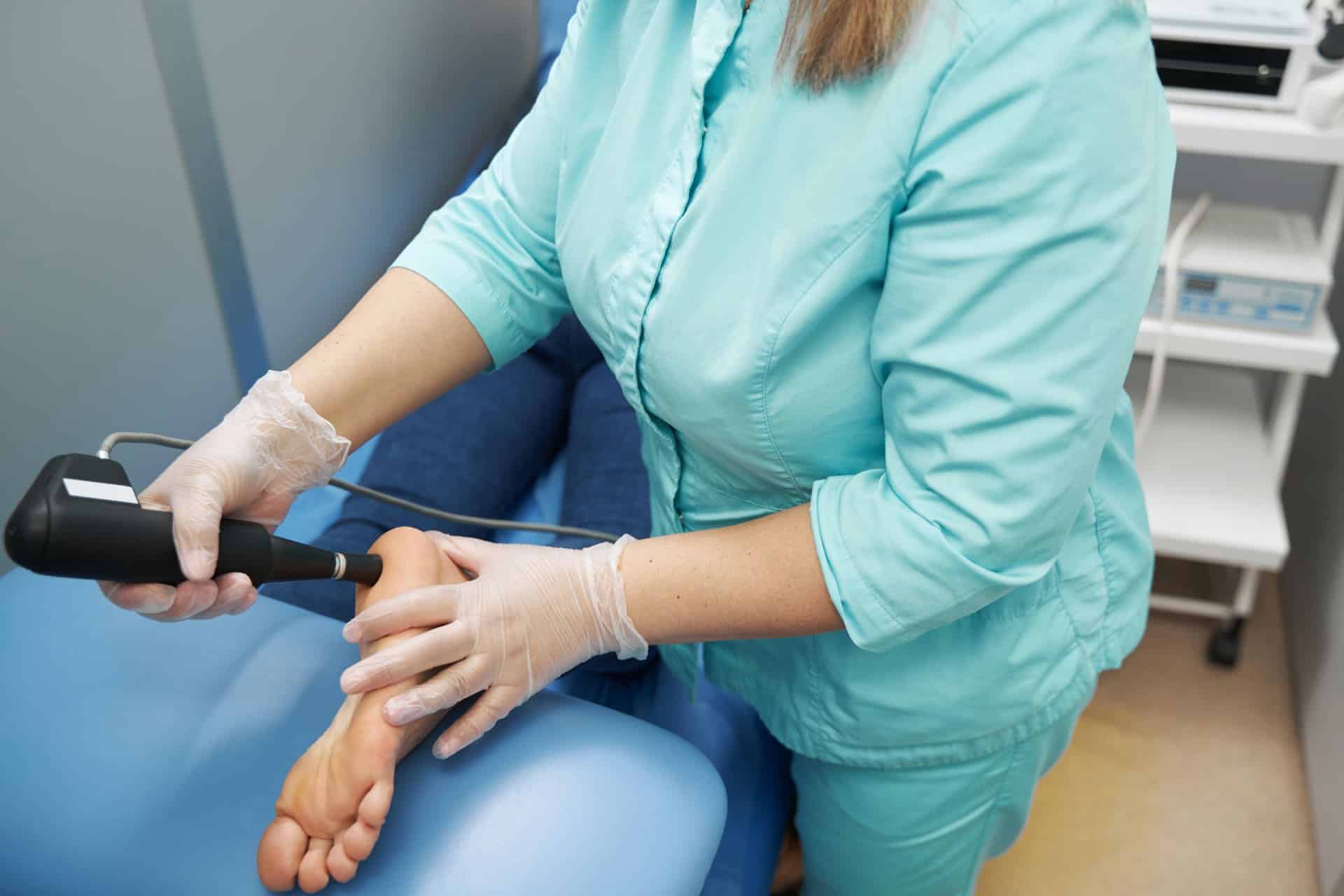
These acoustic waves are delivered through a handheld device placed on the skin over the injured area. The energy penetrates deep into tissues, triggering a cascade of biological responses that restart the healing process.
Unlike painkillers that simply block pain signals, or surgeries that physically alter tissue, shockwave therapy works by activating the body’s natural repair systems.
There are two primary types:
Radial Shockwave Therapy (rESWT)
Disperses energy over a wider surface area
Ideal for superficial soft tissue injuries
Commonly used for muscle pain and fascia issues
Focused Shockwave Therapy (fESWT)
Targets deeper tissue structures
Delivers concentrated energy to precise locations
Often used for chronic tendon and bone-related conditions
Both forms are clinically validated and widely used in orthopedic, sports medicine, and rehabilitation settings.
The Science: How Shockwave Therapy Actually Heals the Body
To understand why shockwave therapy is highly effective, it helps to examine its effects at the cellular level. The treatment stimulates blood circulation, increases collagen production, activates tissue regeneration, and reduces inflammation. These biological responses help damaged muscles, tendons, and ligaments heal naturally while improving mobility, recovery speed, and long-term pain relief.
When tissues are injured, especially tendons or ligaments, the body often struggles to heal them properly due to:
Poor blood circulation
Scar tissue formation
Chronic inflammation
Degenerative changes over time
Shockwave therapy helps reverse these issues through several mechanisms:
1. Microtrauma Stimulation (Controlled Healing Trigger)
Shockwaves create controlled micro-injury signals in the tissue. This may sound counterintuitive, but it forces the body to restart the healing process.
The body responds by increasing:
Growth factors
Cellular repair activity
Local blood supply
2. Increased Blood Flow and Angiogenesis
One of the most important effects is angiogenesis, or the formation of new blood vessels.
This improves oxygen delivery and nutrient transport to damaged tissues, which are essential for healing.
3. Collagen Production and Tissue Remodeling
Collagen is the primary structural protein in tendons and ligaments.
Shockwave therapy stimulates fibroblasts, which produce collagen, leading to:
Stronger tendon fibers
Improved elasticity
Better structural integrity
4. Breakdown of Calcifications and Scar Tissue
In chronic injuries, calcium deposits or fibrotic scar tissue can develop.
Shockwave therapy helps:
Fragment calcifications
Soften hardened tissue
Restore normal movement patterns
5. Pain Receptor Desensitization
Shockwaves reduce the activity of pain receptors (nociceptors), leading to decreased pain perception over time.
6. Stem Cell Activation
Emerging research suggests shockwave therapy may stimulate local stem cell activity, further enhancing tissue regeneration.
Why Chronic Injuries Don’t Heal on Their Own
Many patients wonder why their injuries continue to cause pain for months or even years despite rest, medications, or therapy. The reason often lies in chronic degeneration, where tissues fail to heal properly over time. Tendons, ligaments, and muscles may experience reduced blood flow, ongoing inflammation, scar tissue buildup, and repetitive strain that prevent complete recovery. As the body compensates for the injury, surrounding tissues can also become stressed, leading to persistent discomfort and reduced mobility. Without proper regenerative treatment, the damaged area may remain trapped in a stalled healing cycle, making chronic pain and dysfunction increasingly difficult to resolve naturally.
Common reasons include:
Repetitive strain without adequate healing time
Reduced blood flow in tendons and ligaments
Aging-related tissue degeneration
Improper biomechanics
Previous untreated injuries
Once a tendon or ligament becomes chronically damaged, it often enters a “stalled healing phase.”
Shockwave therapy essentially restarts this stalled process.
Conditions Commonly Treated with Shockwave Therapy
Shockwave therapy is widely used to treat both acute and chronic musculoskeletal conditions because of its ability to stimulate natural healing and reduce pain without surgery. It is commonly recommended for tendon injuries, ligament damage, plantar fasciitis, heel spurs, shoulder pain, tennis elbow, muscle tightness, and sports-related overuse injuries. The therapy works by increasing blood circulation, breaking down scar tissue, and promoting cellular repair in damaged areas. Whether a patient is recovering from a recent injury or dealing with long-term chronic pain, shockwave therapy offers a non-invasive solution that can improve mobility, accelerate recovery, and restore overall physical function.
Tendon Disorders
Achilles tendinitis
Rotator cuff tendinopathy
Patellar tendonitis (jumper’s knee)
Tennis elbow (lateral epicondylitis)
Golfer’s elbow (medial epicondylitis)
Foot and Heel Pain
Plantar fasciitis
Heel spurs
Chronic arch pain
Shoulder Conditions
Calcific shoulder tendinitis
Frozen shoulder (supportive therapy)
Muscle and Soft Tissue Pain
Myofascial pain syndrome
Trigger points
Muscle tightness and stiffness
Joint and Bone Conditions
Early osteoarthritis
Stress fractures (adjunct therapy)
Bone healing stimulation
Chronic Pain Syndromes
Neck and back pain
Overuse injuries
Postural pain syndromes
Benefits of Shockwave Therapy
Shockwave therapy provides multiple advantages compared to conventional pain treatments because it focuses on healing damaged tissues rather than simply masking symptoms. Unlike medications that offer temporary relief, shockwave therapy stimulates circulation, collagen production, and cellular repair to promote long-term recovery. It is non-invasive, requires no surgery or lengthy downtime, and treatments are typically quick and well tolerated. Many patients experience reduced pain, improved mobility, and faster healing after only a few sessions. Additionally, shockwave therapy can help decrease dependence on pain medications and may prevent the need for more invasive procedures, making it an effective option for chronic musculoskeletal conditions.
1. Non-Surgical Solution
No incisions, anesthesia, or hospital stays are required.
2. Drug-Free Pain Relief
Patients avoid long-term reliance on pain medications.
3. Fast Treatment Sessions
Each session typically takes 10–20 minutes.
4. Minimal Recovery Time
Patients resume normal activities immediately.
5. Long-Term Tissue Healing
Unlike temporary pain relief, shockwave therapy improves structural healing.
6. High Success Rate in Chronic Conditions
Especially effective in stubborn injuries lasting more than 3 months.
Shockwave Therapy vs Other Modern Treatments
Modern regenerative clinics often combine multiple therapies to achieve the best possible results for patients dealing with chronic pain and musculoskeletal injuries. Treatments such as shockwave therapy, Class IV laser therapy, spinal decompression, physical rehabilitation, and soft tissue therapies can work together to accelerate healing and improve recovery outcomes. Each therapy targets different aspects of tissue damage, inflammation, circulation, and mobility, creating a more comprehensive treatment approach. By combining advanced regenerative technologies, clinics can address the root causes of pain more effectively, reduce recovery time, and help patients regain strength, flexibility, and overall function without relying heavily on medications or invasive procedures.
Class IV Laser Therapy
Class IV laser uses photobiomodulation to:
Reduce inflammation
Improve cellular energy production
Accelerate tissue repair
Shockwave therapy, on the other hand:
Physically stimulates tissue remodeling
Breaks down scar tissue
Enhances mechanical regeneration
Both are often complementary.
Spinal Decompression Therapy
Spinal decompression targets disc-related conditions such as:
Herniated discs
Bulging discs
Sciatica
It works by:
Reducing spinal pressure
Improving disc hydration
Shockwave therapy focuses more on:
Muscles
Tendons
Ligaments
What a Typical Treatment Plan Looks Like
At HealthWorks, shockwave therapy is customized for each patient based on their specific condition, pain level, and treatment goals. A thorough evaluation is performed to identify the source of dysfunction, allowing clinicians to adjust intensity, frequency, and treatment areas. This personalized approach helps maximize healing outcomes, improve mobility, and ensure effective recovery.
Step 1: Initial Evaluation
Medical history review
Physical examination
Pain and movement assessment
Step 2: Treatment Sessions
Gel applied to treatment area
Acoustic waves delivered via handheld device
Mild tapping sensation felt by patient
Step 3: Healing Phase
Gradual improvement over weeks
Tissue regeneration continues after treatment ends
Step 4: Rehabilitation Support
Stretching exercises
Strengthening programs
Posture correction
Most patients undergo 3–6 sessions, depending on condition severity.
What Patients Typically Feel During and After Treatment
During Treatment:
Mild tapping or pressure sensation
No anesthesia required
Generally well tolerated
After Treatment:
Mild soreness for 24–48 hours
Gradual pain reduction afterward
Increased mobility over time
This short-term soreness is a normal part of the healing process.
Is Shockwave Therapy Safe?
Yes, shockwave therapy is considered safe and is FDA-cleared for use in clinical settings. When performed by trained healthcare professionals, it has a low risk of side effects. Most patients experience only mild, temporary soreness or redness. It is a non-invasive treatment widely used for musculoskeletal pain and injury recovery.
Possible minor side effects:
Temporary redness
Mild swelling
Short-term soreness
Not recommended for:
Pregnant patients
Patients with blood clotting disorders
Areas with active infection
Clinical Evidence Supporting Shockwave Therapy
Numerous studies support the effectiveness of shockwave therapy in musculoskeletal medicine, particularly for chronic tendon injuries, plantar fasciitis, and overuse conditions. Research shows it can significantly reduce pain, improve function, and promote tissue regeneration by increasing blood flow and stimulating cellular repair. Clinical evidence continues to validate its role as a safe, non-invasive treatment option for long-term recovery.
Research findings show:
Significant pain reduction in plantar fasciitis
Improved tendon function in chronic tendinopathies
Enhanced mobility and strength outcomes
Long-term symptom improvement in overuse injuries
For more research, visit trusted peer-reviewed studies on musculoskeletal and regenerative medicine.
Patient Transformation: From Pain to Performance
One of the most powerful aspects of shockwave therapy is its positive impact on patient lifestyle. By reducing chronic pain and improving mobility, it allows individuals to return to daily activities, work, and exercise with greater ease. Many patients experience improved sleep, increased independence, and a better overall quality of life.
Patients often report:
Returning to sports after long breaks
Walking without pain for the first time in years
Improved sleep quality
Reduced reliance on medications
Greater mobility and independence
This transformation is why shockwave therapy is often described as a performance restoration treatment, not just pain relief.
Why Choose HealthWorks Med
At HealthWorks, we specialize in advanced non-surgical pain solutions designed to restore function and quality of life.
Our approach includes:
Personalized treatment plans
Advanced regenerative technologies
Integrated rehabilitation programs
Patient-centered care philosophy
We focus on helping patients achieve long-term recovery—not temporary relief.
Frequently Asked Questions
1. How long does shockwave therapy last?
Results can last months to years depending on condition and lifestyle.
2. How quickly will I feel better?
Some patients improve after the first session, but most see results after 2–3 weeks.
3. Can shockwave therapy replace surgery?
In many chronic cases, it helps patients avoid surgical intervention.
4. Does it work for old injuries?
Yes, it is especially effective for chronic injuries that have not healed properly.
5. Can I exercise after treatment?
Light activity is usually fine, but intense exercise should be avoided for 24–48 hours.
6. Is it covered by insurance?
Coverage varies depending on provider and diagnosis.
Conclusion
Shockwave therapy represents a major advancement in modern regenerative medicine. By stimulating the body’s natural healing mechanisms, it offers a powerful, non-invasive solution for chronic pain, tendon injuries, and musculoskeletal dysfunction.
Rather than masking symptoms, it restores function at the source—helping patients move from pain to performance.
At HealthWorks, we are proud to offer this innovative therapy as part of our commitment to long-term healing and patient wellness.
If you are struggling with chronic pain or a long-standing injury, shockwave therapy may be the solution you’ve been searching for.
📍 Address: 1240-A Central Ave, Summerville, SC 29483
📞 Phone: (843) 821-8787
🌐 Website: https://healthworksmed.com
👉 Schedule your consultation today and take the first step toward lasting recovery.