


In today’s fast-paced world, people are constantly searching for effective, efficient, and non-invasive ways to heal from injuries and manage chronic pain. Traditional treatments such as medication, physical therapy, and surgery have long been the standard, but they often come with limitations such as extended recovery time, potential side effects, or inconsistent results. Fortunately, advancements in medical technology have introduced innovative solutions that are transforming how we approach healing—and one of the most promising among them is shockwave therapy.
Shockwave therapy is rapidly gaining recognition as a powerful, non-surgical treatment that uses acoustic energy waves to stimulate the body’s natural healing mechanisms. Whether you are an athlete recovering from an injury, a professional dealing with chronic pain, or someone simply seeking a faster return to daily activities, shockwave therapy offers a modern approach to recovery that is both safe and effective.
In this comprehensive guide, we will explore the science behind shockwave therapy, its wide range of applications, key benefits, and why it is becoming a preferred treatment option for patients worldwide.
What Is Shockwave Therapy?
Shockwave therapy, also known as extracorporeal shockwave therapy (ESWT), is a non-invasive treatment that delivers high-energy sound waves to targeted areas of the body. These acoustic waves penetrate the skin and stimulate biological responses that accelerate healing in damaged tissues.
Initially developed for breaking down kidney stones, shockwave technology has evolved significantly and is now widely used in orthopedics, sports medicine, and rehabilitation. It is particularly effective for treating musculoskeletal conditions, chronic pain, and soft tissue injuries.
Unlike treatments that only address symptoms, shockwave therapy works at a deeper level—promoting actual tissue repair and regeneration.
The Science Behind Shockwave Therapy
At its core, shockwave therapy harnesses the power of mechanical energy and converts it into biochemical signals within the body. This process, known as mechanotransduction, triggers a cascade of healing responses.
When shockwaves are applied to an injured area, they create controlled microtrauma that stimulates the body to repair itself. This leads to:
Increased blood circulation
Formation of new blood vessels (angiogenesis)
Enhanced collagen production
Activation of stem cells
Reduction in inflammation
These biological effects work together to restore damaged tissue, reduce pain, and improve overall function.
How Shockwave Therapy Works
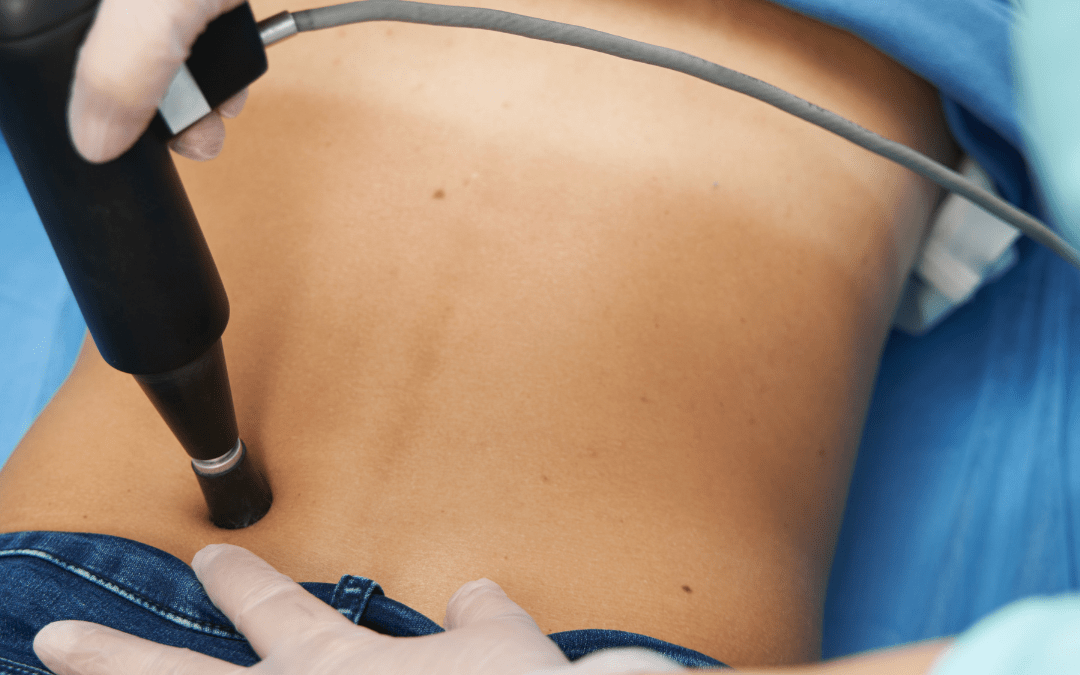
Shockwave therapy sessions are designed to be simple, efficient, and highly targeted, making them ideal for busy individuals seeking effective pain relief. During the procedure, a trained healthcare provider uses a specialized handheld device to deliver controlled acoustic waves directly to the affected area. These sound waves penetrate deep into the tissue, stimulating blood flow, breaking down scar tissue, and activating the body’s natural healing response. The treatment typically lasts only 10 to 20 minutes and requires little to no downtime, allowing patients to return to their daily activities immediately after each session with minimal disruption.
Step-by-Step Process:
Assessment and Diagnosis
The provider evaluates your condition to determine if shockwave therapy is appropriate.Preparation
A gel is applied to the skin to improve the transmission of sound waves.Application of Shockwaves
The device delivers pulses of energy to the targeted tissue.Post-Treatment Care
Patients can typically resume normal activities immediately after the session.
Each session usually lasts between 10 and 20 minutes, making it a convenient option for busy individuals.
Conditions Treated with Shockwave Therapy
One of the biggest advantages of shockwave therapy is its versatility, allowing it to effectively treat a wide range of conditions affecting muscles, tendons, and joints. It is commonly used for chronic pain issues such as plantar fasciitis, tennis elbow, and shoulder tendinitis. Additionally, it helps accelerate recovery from sports injuries like muscle strains and ligament sprains. Shockwave therapy is also beneficial for treating conditions such as Achilles tendinitis, patellar tendinitis, and calcific shoulder problems. Its ability to target both acute and chronic conditions makes it a highly adaptable and valuable treatment option for patients seeking non-invasive pain relief.
Chronic Pain Disorders
Plantar fasciitis
Tennis elbow (lateral epicondylitis)
Golfer’s elbow
Shoulder tendinitis
Sports Injuries
Muscle strains
Ligament sprains
Overuse injuries
Tendon and Ligament Conditions
Achilles tendinitis
Patellar tendinitis
Rotator cuff injuries
Joint and Soft Tissue Issues
Calcific tendinopathy
Trigger points
Myofascial pain syndrome
Back and Neck Pain
Chronic lower back pain
Muscle stiffness and tension
Benefits of Shockwave Therapy
Shockwave therapy offers a wide range of benefits that make it an appealing alternative to traditional treatments. It is non-invasive, meaning there are no incisions, anesthesia, or lengthy recovery periods involved. Patients often experience faster healing as the therapy stimulates natural tissue repair and improves blood circulation. It also provides drug-free pain relief, reducing reliance on medications and their potential side effects. Additionally, shockwave therapy targets the root cause of pain rather than just masking symptoms, leading to longer-lasting results. With minimal downtime and proven effectiveness, it is an excellent option for individuals seeking safe and efficient recovery.
1. Non-Invasive and Safe
One of the most significant advantages is that it does not require surgery. There are no incisions, no anesthesia, and minimal risk involved.
2. Faster Recovery Time
Patients often experience noticeable improvements within just a few sessions. This makes it ideal for individuals who want to return to their normal routines quickly.
3. Drug-Free Pain Management
Shockwave therapy reduces the need for pain medications, helping patients avoid potential side effects and long-term dependency.
4. Long-Term Results
Instead of masking symptoms, the treatment addresses the root cause of pain, leading to lasting relief.
5. Improved Mobility and Function
By promoting tissue healing and reducing inflammation, patients often regain strength, flexibility, and range of motion.
6. Cost-Effective Solution
Compared to surgery and long-term medication use, shockwave therapy can be a more affordable option in the long run.
What to Expect During Treatment
Understanding what happens during a shockwave therapy session can help ease any concerns and make patients feel more confident about the treatment. The process is straightforward and typically begins with a brief assessment to identify the exact area requiring attention. A gel is then applied to the skin to enhance the transmission of acoustic waves. Using a handheld device, the provider delivers controlled pulses to the targeted area. Most sessions last between 10 and 20 minutes. Patients may feel mild discomfort, but it is generally tolerable. After the session, normal activities can usually be resumed immediately without any significant downtime.
Duration: 10–20 minutes per session
Frequency: Typically 1–2 sessions per week
Total Sessions: Usually 3–6 treatments depending on the condition
Patients may feel mild discomfort during the procedure, especially in sensitive areas, but this is generally temporary and manageable.
After treatment, it is normal to experience slight soreness, similar to what you might feel after a workout. This usually subsides within a day or two.
Who Is a Good Candidate?
Shockwave therapy is suitable for many individuals, particularly those who suffer from chronic pain that has lasted for several weeks or more. It is often recommended for people who have not found relief through conventional treatments such as medication, rest, or physical therapy. Individuals looking to avoid surgery or long recovery periods may also benefit greatly from this non-invasive option. It is commonly used by athletes recovering from sports injuries, as well as active adults dealing with tendon or joint issues. However, a professional evaluation is important to determine if shockwave therapy is the right and safest choice for each patient.
Have chronic pain lasting more than six weeks
Have not responded to conventional treatments
Want to avoid surgery
Are seeking a non-invasive solution
However, it may not be recommended for individuals who are pregnant, have blood clotting disorders, or have certain underlying medical conditions. A professional consultation is essential to determine eligibility.
Shockwave Therapy vs. Traditional Treatments
When compared to traditional treatment methods, shockwave therapy stands out for its efficiency and effectiveness. Unlike surgery, which often requires significant recovery time and carries potential risks, shockwave therapy is non-invasive and allows patients to resume normal activities almost immediately. Compared to medications that may only provide temporary relief, it targets the underlying cause of pain and promotes true healing. Even when measured against physical therapy alone, shockwave therapy can accelerate results by stimulating deeper tissue repair. This combination of faster recovery, minimal downtime, and long-lasting outcomes makes it a preferred choice for many patients.
Surgery
Requires recovery time and carries risks
Often used as a last resort
Medication
Provides temporary relief
May cause side effects or dependency
Physical Therapy
Effective but may take longer to show results
Shockwave Therapy
Non-invasive
Minimal downtime
Targets root causes
Promotes long-term healing
Why Shockwave Therapy Is Gaining Popularity
The increasing demand for non-invasive treatments has contributed to the growing popularity of shockwave therapy. Patients today prioritize treatments that are safe, effective, and require minimal downtime. They also prefer options that provide long-term relief, reduce reliance on medication, and allow them to quickly return to their normal daily activities and routines.
Safe and natural
Time-efficient
Effective in the long term
Additionally, athletes and active individuals appreciate the ability to recover quickly without undergoing surgery or relying on medication.
Healthcare providers are also adopting this technology due to its proven results and high patient satisfaction rates.
Real-Life Applications and Success Stories
Many patients who undergo shockwave therapy report significant improvements in their condition. For example, individuals with plantar fasciitis often experience reduced heel pain, athletes recover faster from tendon injuries, and office workers notice less stiffness and discomfort. These outcomes highlight how effective shockwave therapy can be for restoring mobility and improving quality of life.
Individuals with chronic plantar fasciitis often experience pain relief after just a few sessions.
Athletes recovering from tendon injuries can return to training sooner.
Office workers with repetitive strain injuries find improved mobility and reduced discomfort.
These outcomes highlight the effectiveness of shockwave therapy in diverse scenarios.
FAQs About Shockwave Therapy
1. Is shockwave therapy painful?
Most patients describe the sensation as mild discomfort rather than pain. The intensity can be adjusted to ensure comfort during treatment.
2. How many sessions will I need?
Typically, patients require between 3 and 6 sessions, depending on the severity of their condition.
3. How soon will I see results?
Some patients notice improvement after the first session, while others may see gradual progress over several weeks.
4. Are there any side effects?
Side effects are minimal and may include temporary redness, swelling, or soreness in the treated area.
5. Is it safe?
Yes, shockwave therapy is a clinically proven and widely used treatment with a strong safety profile.
6. Can it replace surgery?
In many cases, shockwave therapy can help patients avoid surgery, especially for chronic musculoskeletal conditions.
7. Is there any downtime?
No significant downtime is required. Most patients can return to their daily activities immediately.
8. Who should avoid shockwave therapy?
Individuals who are pregnant or have certain medical conditions should consult a healthcare provider before treatment.
Conclusion
Shockwave therapy represents a major advancement in modern medicine, offering a powerful and non-invasive solution for both pain relief and tissue healing. By harnessing the energy of targeted acoustic waves, this innovative treatment stimulates the body’s natural repair mechanisms, enhancing blood circulation, promoting cell regeneration, and accelerating the healing process. As a result, patients often experience faster recovery times, improved mobility, and long-lasting relief from discomfort.
Whether you are dealing with chronic pain, recovering from a sports injury, or searching for an effective alternative to surgery, shockwave therapy provides a safe and reliable path toward better health. Its ability to address the root cause of pain rather than just the symptoms makes it especially valuable. As awareness continues to grow, shockwave therapy is rapidly becoming a cornerstone in modern rehabilitation, helping individuals regain function, restore movement, and improve their overall quality of life.
If you’re ready to take control of your pain and accelerate your recovery, now is the perfect time to explore the benefits of shockwave therapy. Don’t let chronic pain or injury hold you back from living your best life.
Schedule your consultation today and discover how this innovative treatment can help you heal faster and feel better.
📍 Address: 1240-A Central Ave, Summerville, SC 29483
📞 Phone: (843) 821-8787
🌐 Website: https://healthworksmed.com