


How Matrix Therapy Helps Improve Circulation
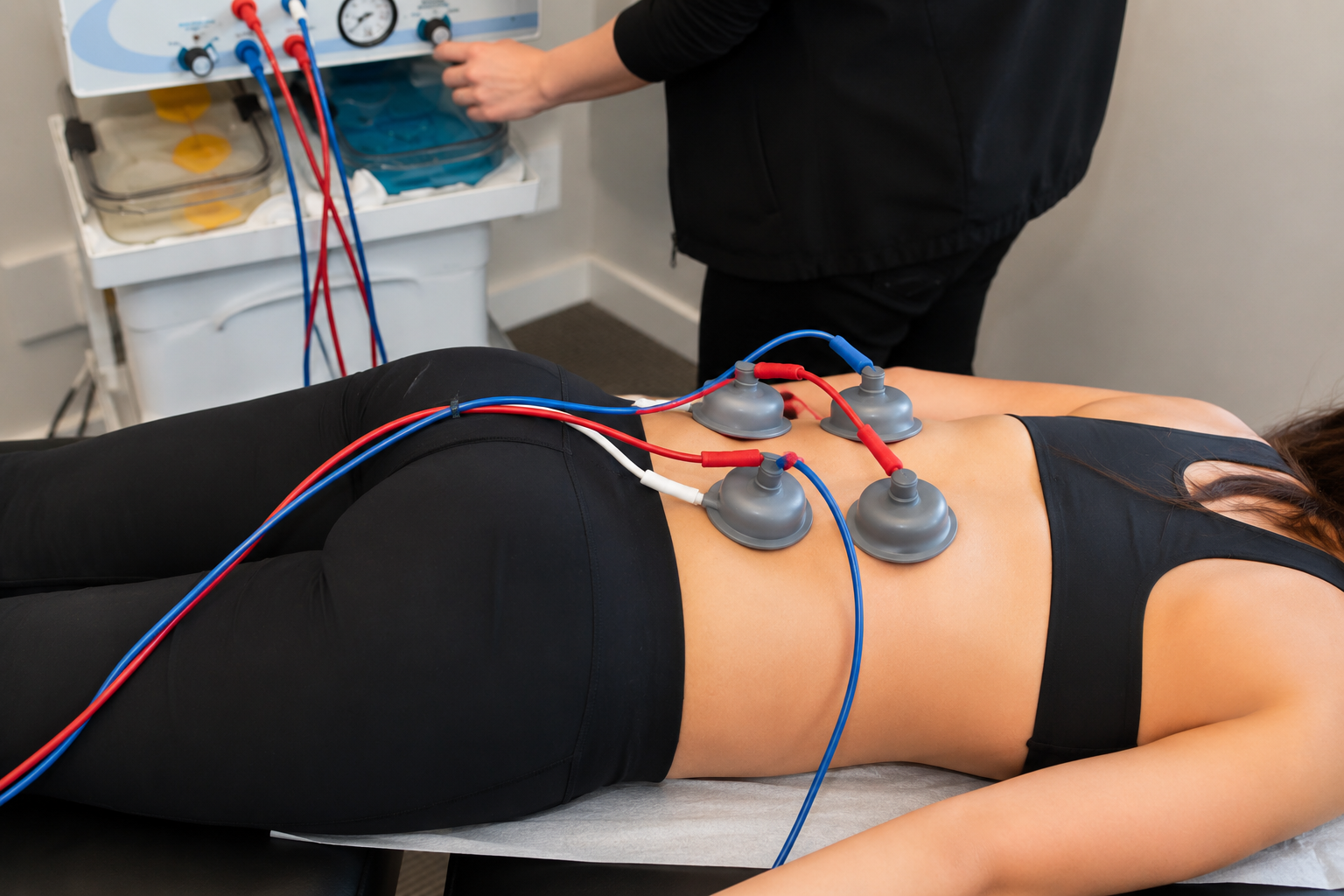
Poor circulation can affect much more than cold hands and feet. Healthy blood flow is essential for delivering oxygen, nutrients, and immune cells throughout the body while removing metabolic waste from muscles and tissues. When circulation becomes compromised, many people begin to notice persistent muscle tightness, swelling, fatigue, delayed recovery, numbness, tingling, or chronic pain that interferes with daily life.
At HealthWorks, we believe effective care starts by understanding the underlying cause of discomfort instead of simply masking symptoms. That is why our team offers advanced therapies designed to support the body’s natural healing processes. One of these innovative options is Neuromed Matrix Therapy, a non-invasive treatment that helps stimulate healthy tissue function while encouraging improved circulation.
Whether you are recovering from an injury, managing chronic pain, or simply looking to enhance your body’s ability to heal, Matrix Therapy may become an important part of your personalized treatment plan. In this guide, we’ll explain how circulation impacts your health, how Matrix Therapy works, who may benefit from treatment, and why improving blood flow plays such a critical role in recovery and long-term wellness.
Why Healthy Circulation Matters
Every cell in the body depends on an adequate blood supply. Blood carries oxygen, nutrients, hormones, and immune cells that help tissues function properly and repair themselves after injury.
When circulation slows or becomes restricted, tissues receive fewer of the resources they need. At the same time, waste products produced during normal cellular activity can accumulate, contributing to inflammation, stiffness, discomfort, and slower healing. According to the Mayo Clinic, maintaining optimal vascular health and blood flow is crucial for preventing tissue damage and supporting systemic wellness.
Healthy circulation supports:
Muscle recovery
Joint function
Tissue repair
Nerve health
Reduced inflammation
Improved flexibility
Better energy levels
Faster healing after injury
Many people don’t realize how closely circulation is connected to chronic pain. Tight muscles, scar tissue, prolonged inflammation, and restricted movement often create a cycle where poor circulation contributes to pain while pain itself further limits circulation.
Breaking this cycle is often an important step toward lasting relief.
Common Signs of Poor Circulation
Circulation problems do not always present as severe medical conditions. In many cases, people experience subtle symptoms for months or even years before seeking care.
Some common signs include:
Cold hands or feet
Muscle tightness
Swelling
Tingling sensations
Numbness
Chronic soreness
Slow healing
Reduced flexibility
Frequent muscle fatigue
Heavy feeling in the legs
Persistent stiffness
Although these symptoms can have many causes, inadequate circulation frequently contributes to ongoing discomfort.
Identifying the source of these symptoms allows us to create treatment plans focused on restoring healthy tissue function rather than simply managing pain.
Understanding Neuromed Matrix Therapy
Neuromed Matrix Therapy is an advanced therapeutic technology designed to improve communication within muscles and soft tissues through gentle mechanical stimulation.
Rather than relying on forceful manipulation or invasive procedures, Matrix Therapy works by delivering rhythmic vibrations that closely resemble the body’s natural muscle frequencies.
These vibrations stimulate soft tissues at the cellular level, encouraging muscles to relax while supporting healthy movement of fluids throughout the tissue.
The treatment aims to restore normal physiological activity, allowing muscles and connective tissues to function more efficiently.
Many patients describe the treatment as relaxing, gentle, and comfortable.
Instead of creating additional stress within already irritated tissues, Matrix Therapy encourages the body to activate its own recovery mechanisms.
The Connection Between Matrix Therapy and Circulation
One of the most significant benefits of Matrix Therapy is its ability to support healthy blood flow.
Healthy muscles constantly contract and relax, helping move blood and lymphatic fluid throughout the body. When muscles remain tight for extended periods, this natural pumping action becomes less efficient.
As circulation decreases, tissues receive less oxygen while metabolic waste accumulates.
Matrix Therapy helps interrupt this pattern.
The gentle oscillations encourage muscles to return toward their natural resting rhythm, reducing excessive tension that may interfere with circulation.
As tissue mobility improves, blood vessels experience less compression, allowing blood to move more freely through the affected area.
Improved circulation may contribute to:
Better oxygen delivery
Improved nutrient transport
Reduced tissue congestion
Enhanced waste removal
Healthier muscle function
Improved flexibility
Faster recovery
Rather than forcing circulation mechanically, Matrix Therapy helps create conditions that allow the body’s own circulatory system to work more effectively.
How Better Circulation Supports Healing
Healing requires energy.
Whenever muscles, ligaments, tendons, or other soft tissues become injured, the body increases blood flow to the area to begin repair.
Blood delivers:
Oxygen
Growth factors
White blood cells
Nutrients
Proteins needed for tissue repair
If circulation remains compromised, healing can become slower and less efficient.
By supporting healthier blood flow, Matrix Therapy may help optimize the environment needed for tissue recovery.
This can be especially valuable during rehabilitation after:
Sports injuries
Overuse injuries
Muscle strains
Tendon irritation
Joint dysfunction
Surgical recovery (when appropriate and approved)
Supporting the Lymphatic System
Circulation is not limited to arteries and veins.
The lymphatic system also plays an essential role in removing excess fluid, inflammatory byproducts, and cellular waste.
Unlike the cardiovascular system, the lymphatic system does not have a pump like the heart.
Instead, it relies heavily on muscle movement.
When muscles become restricted or inactive, lymphatic drainage may slow.
Matrix Therapy helps stimulate gentle muscle activity that may encourage healthier lymphatic movement.
Improved lymphatic flow may contribute to:
Reduced swelling
Less tissue congestion
Better healing
Improved comfort
Healthier tissue function
This is one reason many patients report feeling lighter and more mobile following treatment.
Conditions That May Benefit from Matrix Therapy
Because circulation affects nearly every tissue in the body, Matrix Therapy may be incorporated into treatment plans for a wide variety of musculoskeletal conditions.
These may include:
Chronic Muscle Tension
Long-term muscle tightness often reduces blood flow while increasing discomfort.
Matrix Therapy helps relax muscles naturally, allowing healthier circulation to return.
Sports Injuries
Athletes place repeated stress on muscles and connective tissues.
Improving circulation can support recovery between training sessions while helping reduce lingering soreness.
Neck and Shoulder Pain
Many people who spend long hours sitting develop chronic tension throughout the neck and shoulders.
Improving circulation in these muscles may reduce stiffness while supporting better movement.
Back Pain
Tight spinal muscles frequently experience reduced circulation.
Matrix Therapy helps address muscular dysfunction that contributes to ongoing discomfort.
Sciatica-Related Muscle Tightness
Although sciatica has multiple causes, surrounding muscle tension can worsen symptoms.
Improving soft tissue mobility may help reduce pressure and support improved comfort.
Fibromyalgia
Individuals living with widespread muscle pain often experience significant muscle tightness and sensitivity.
Gentle therapies that encourage relaxation may become valuable components of comprehensive care.
Scar Tissue
Scar tissue can restrict normal movement while affecting local circulation.
Matrix Therapy may help improve tissue mobility surrounding healed injuries.
Postural Dysfunction
Poor posture places continuous stress on muscles.
Over time, reduced circulation contributes to fatigue and stiffness.
Improving muscle function supports healthier posture and movement.
What Happens During Treatment?
Many patients are pleasantly surprised by how comfortable Matrix Therapy feels.
During your visit, our team first performs a thorough evaluation to understand your symptoms, medical history, movement patterns, and treatment goals.
Based on this assessment, a customized treatment plan is developed.
The Matrix Therapy device is then applied to targeted muscles and soft tissues.
Patients typically experience:
Gentle rhythmic vibrations
Comfortable stimulation
Relaxation of tight muscles
No injections
No surgery
No downtime
Treatment sessions vary depending on the condition being addressed.
Many patients incorporate Matrix Therapy into broader rehabilitation programs that may also include chiropractic care, therapeutic exercise, rehabilitation, or other supportive services.
The Importance of Personalized Care
No two patients experience pain for exactly the same reason.
One person may develop muscle tension after a sports injury.
Another may experience chronic stiffness because of poor posture or repetitive work activities.
Others may struggle with pain associated with aging or previous injuries.
That is why personalized care remains one of the most important aspects of successful treatment.
Instead of using a one-size-fits-all approach, our team carefully evaluates each patient’s needs before recommending Matrix Therapy.
This individualized strategy helps ensure treatment addresses the factors contributing to discomfort rather than focusing only on symptoms.
Matrix Therapy as Part of a Comprehensive Wellness Plan
Improving circulation often works best when combined with healthy lifestyle habits, which we regularly discuss on our health and wellness blog.
We frequently encourage patients to support their treatment results through:
Regular Movement
Walking, stretching, and light exercise help maintain healthy circulation between appointments.
Proper Hydration
Water supports healthy blood volume and tissue function.
Hydration also assists the body in transporting nutrients and removing waste products.
Balanced Nutrition
Nutrient-rich foods provide the building blocks needed for tissue repair.
Adequate protein, vitamins, minerals, and antioxidants all contribute to healthy healing.
Quality Sleep
Much of the body’s repair occurs during sleep.
Consistent, restorative sleep supports recovery while reducing stress on the nervous system.
Stress Management
Chronic stress increases muscle tension throughout the body.
Relaxation techniques, breathing exercises, and mindfulness practices may complement physical therapies.
What Patients Often Notice
Every person’s response varies depending on their condition and overall health.
Some patients report feeling improvement shortly after treatment, while others notice gradual progress over several visits.
Common experiences may include:
Reduced muscle tightness
Improved flexibility
Greater ease of movement
Less soreness
Better comfort during daily activities
Reduced swelling
Improved recovery following physical activity
Increased relaxation
Treatment outcomes depend on numerous factors, including the nature of the condition, overall health, activity level, and adherence to the recommended care plan.
Is Matrix Therapy Safe?
Neuromed Matrix Therapy is designed as a non-invasive treatment that is generally well tolerated by many individuals when provided by trained professionals.
Because it uses gentle mechanical stimulation rather than medications or surgical procedures, many patients appreciate its comfortable approach to supporting recovery.
Before beginning treatment, our team carefully reviews your health history to determine whether Matrix Therapy is appropriate for your specific needs.
If another treatment option would better support your recovery, we’ll discuss those recommendations with you as part of your personalized care plan.
Who May Be a Good Candidate?
Matrix Therapy may be appropriate for individuals experiencing:
Chronic muscle pain
Muscle tightness
Poor flexibility
Sports injuries
Repetitive strain injuries
Recovery after physical activity
Soft tissue discomfort
Movement restrictions
General muscle fatigue
Ongoing stiffness
A comprehensive evaluation helps determine whether Matrix Therapy fits your condition and treatment goals.
Frequently Asked Questions
Does Matrix Therapy hurt?
Most patients describe Matrix Therapy as comfortable and relaxing. The rhythmic stimulation is gentle and designed to encourage natural muscle function rather than causing discomfort.
How does Matrix Therapy improve circulation?
The treatment encourages muscles to relax and move more naturally. As muscle tension decreases, blood vessels experience less compression, allowing healthier blood flow through the affected tissues.
How many treatments will I need?
The number of sessions depends on your condition, symptom severity, health history, and treatment goals. After your evaluation, our team will recommend a care plan tailored to your needs.
Can Matrix Therapy help with sports recovery?
Yes. Many athletes use therapies that support circulation and muscle recovery as part of their overall training and rehabilitation programs.
Is there downtime after treatment?
Most patients can return to their normal daily activities immediately following treatment unless additional recommendations are provided based on their specific condition.
Can Matrix Therapy be combined with other treatments?
Absolutely. Matrix Therapy is often integrated into comprehensive care plans alongside chiropractic care, rehabilitation exercises, and other non-invasive therapies to support optimal recovery.
Is improved circulation important even if I don’t have a circulation disorder?
Yes. Healthy circulation benefits every tissue in the body by delivering oxygen and nutrients while helping remove waste products. Supporting normal circulation can contribute to better movement, recovery, and overall wellness.
When should I schedule an evaluation?
If you have ongoing muscle tightness, chronic pain, reduced flexibility, swelling, or slow recovery after injuries or physical activity, an evaluation can help determine whether Matrix Therapy may benefit your condition.
Conclusion
Healthy circulation is one of the body’s most important foundations for healing, movement, and long-term wellness. When muscles become tight, inflamed, or restricted, blood flow can be compromised, making it more difficult for tissues to receive the oxygen and nutrients they need to recover efficiently.
Neuromed Matrix Therapy offers a gentle, non-invasive approach to supporting healthy muscle function while encouraging improved circulation throughout affected tissues. By helping muscles return to more natural movement patterns, this innovative therapy may contribute to better flexibility, reduced tension, enhanced recovery, and improved overall comfort.
At HealthWorks, our goal is to provide personalized care that addresses the root causes of pain and movement limitations rather than simply covering up symptoms. Through thoughtful evaluations and customized treatment plans, we work to help every patient move with greater comfort and confidence.
If muscle tightness, chronic pain, stiffness, or slow recovery is limiting your quality of life, our team is here to help. Schedule a consultation to learn whether Neuromed Matrix Therapy could become part of your personalized treatment plan. Together, we’ll evaluate your needs, discuss your goals, and create a comprehensive approach focused on improving circulation, supporting natural healing, and helping you return to the activities you enjoy.
HealthWorks
📍 Address: 1240-A Central Ave, Summerville, SC 29483
📞 Phone: (843) 821-8787
🌐 Website: healthworksmed.com