


How Massage Therapy Supports Muscle Recovery
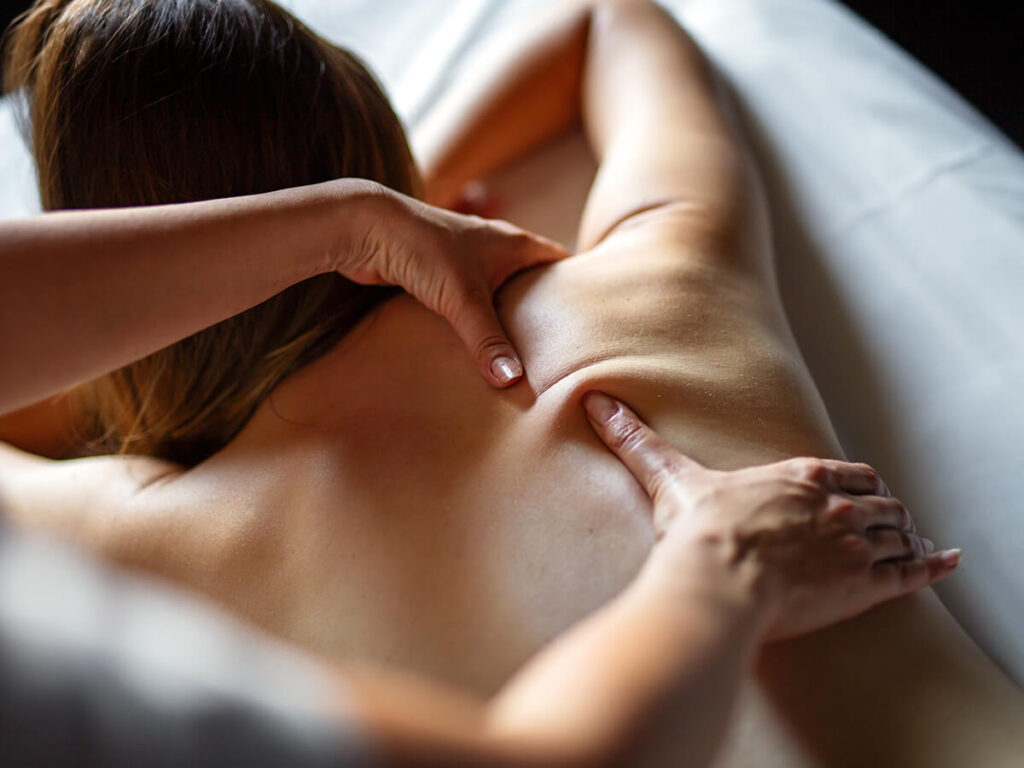
Muscle soreness, stiffness, tension, and fatigue can make it harder to move comfortably and return to your normal routine. Whether muscle discomfort comes from exercise, repetitive movements, physically demanding work, poor posture, stress, or an injury, recovery often requires more than simply waiting for soreness to disappear.
Massage therapy can be a valuable part of a broader approach to muscle recovery. By working with the body’s soft tissues, massage therapy may help reduce muscle tension, improve flexibility, support circulation, and promote relaxation. For people dealing with muscle soreness or restricted movement, these potential benefits can make everyday activities and physical activity more comfortable.
At HealthWorks, massage therapy is one of the services available as part of a broader approach to pain management, mobility, and wellness. The practice offers several types of massage, including clinical massage therapy, neuromuscular massage, deep tissue massage, Swedish massage, and sports massage.
What Is Massage Therapy?
Massage therapy involves the manipulation of the body’s soft tissues, including muscles, connective tissue, tendons, ligaments, and skin. A trained massage therapist can adjust pressure, movement, and technique according to the person’s needs.
According to the Mayo Clinic, massage therapy may help lessen muscle tension and pain, promote relaxation, and reduce stress. It can also be incorporated alongside conventional medical care for certain conditions.
Massage therapy is not simply about relaxation. Therapeutic massage can be used with a specific goal in mind, such as addressing muscle tension, supporting recovery after physical activity, improving flexibility, or helping a person move more comfortably.
At HealthWorks, massage therapy is provided by a licensed massage therapist trained in a variety of techniques.
Why Muscle Recovery Matters
Muscles are constantly being used. Walking, lifting, exercising, sitting at a desk, working, driving, playing sports, and performing household activities all place demands on the body’s muscles.
After intense or repetitive activity, muscles can become tight and sore. An injury can also cause surrounding muscles to tighten as the body attempts to protect the affected area.
If muscle tension continues, it may contribute to stiffness and restricted movement. This can make it more difficult to exercise, perform daily activities, or return to previous levels of physical activity.
Supporting muscle recovery can therefore be an important part of maintaining mobility and function.
How Massage Therapy Supports Muscle Recovery
1. Helps Reduce Muscle Tension
One of the primary reasons people seek massage therapy is muscle tension.
When muscles remain tight, movement can become uncomfortable or restricted. Therapeutic massage applies controlled pressure and movement to soft tissues, which may help muscles relax.
Reducing muscle tension may make it easier to move the affected area and perform everyday activities.
2. Supports Circulation
Massage therapy may also support circulation in the treated areas.
During massage, soft tissues are manipulated through different pressures and movements. This can encourage local blood flow and may support the delivery of oxygen and nutrients to tissues.
The Cleveland Clinic explains that massage therapy may help increase circulation and lymphatic function while reducing muscle tension and soreness.
Good circulation is an important part of normal tissue function and recovery. Massage should not be considered a replacement for medical treatment when an injury or medical condition requires professional evaluation, but it may be used as part of a broader recovery plan.
3. May Help Reduce Muscle Soreness
Muscle soreness can occur after exercise, physical work, repetitive movements, or other forms of physical stress.
Massage therapy may help reduce the discomfort associated with tight or sore muscles. Mayo Clinic Health System reports that massage therapy may help decrease muscle stiffness, reduce pain and soreness, improve flexibility, and support recovery between workouts.
This can be especially relevant for people who want to remain physically active while managing normal muscle soreness.
4. Can Support Flexibility and Range of Motion
Tight muscles can make movement feel restricted. When certain areas of the body remain tense, normal movement patterns may become more difficult.
Massage therapy can help relax tight soft tissues, potentially making movement more comfortable.
Cleveland Clinic lists increased range of motion and flexibility among potential benefits of massage therapy.
Improved flexibility may be useful for people returning to exercise, recovering from physical strain, or simply trying to maintain comfortable movement throughout the day.
5. May Help With Recovery After Exercise
Exercise places stress on muscles. While appropriate physical activity supports strength and fitness, demanding workouts can leave muscles feeling sore or fatigued.
Massage therapy may be one option for supporting recovery after challenging physical activity.
Mayo Clinic reports that massage following a tough workout may reduce muscle soreness, pain, inflammation, and perceived fatigue.
For active individuals, massage may therefore complement other recovery strategies such as adequate rest, hydration, appropriate nutrition, mobility work, and gradual progression of exercise.
6. Supports Relaxation
Physical recovery and relaxation are closely connected.
Stress can contribute to muscle tension, particularly around the neck, shoulders, and back. Massage can help promote relaxation while reducing muscular tension.
Mayo Clinic identifies stress reduction and increased relaxation among potential benefits of massage therapy.
Taking time to relax may also make it easier for people to maintain healthy recovery habits and return to daily activities with greater comfort.
Massage Therapy and Overall Wellness
Massage therapy can be considered as part of a broader approach to physical wellness. It may be used to address muscle tension, promote relaxation, and support comfortable movement.
The National Institutes of Health’s MedlinePlus provides information about complementary and integrative approaches to health care, which can include approaches used alongside conventional medical care.
This distinction is important. Massage therapy should not replace appropriate medical diagnosis or treatment when someone has a significant injury, persistent pain, neurological symptoms, or another medical condition requiring evaluation. Instead, it may be considered as a complementary component of an individual’s overall care when appropriate.
Types of Massage Therapy at HealthWorks
Different massage techniques can serve different purposes. HealthWorks offers several approaches to massage therapy.
Clinical Massage Therapy
Clinical massage therapy can be incorporated into a broader care plan for people experiencing pain, muscle tension, or mobility limitations.
HealthWorks explains that medical massage therapy can complement chiropractic care, particularly for people dealing with neck and back pain.
By addressing tense muscles and connective tissues, clinical massage may help support overall movement and comfort.
Neuromuscular Massage
Neuromuscular massage, sometimes referred to as trigger point therapy, focuses on soft tissue and areas of muscular tenderness.
HealthWorks describes neuromuscular massage as a medically oriented form of soft tissue manipulation that addresses trigger points, circulation, nerve compression, postural issues, and biomechanical problems associated with repetitive movement injuries.
This approach may be particularly useful when muscle tension is contributing to discomfort or restricted movement.
Deep Tissue Massage
Deep tissue massage uses slower, deliberate strokes and more focused pressure on deeper layers of muscle and other tissues.
HealthWorks describes deep tissue massage as an approach for addressing painful or stiff trouble spots and chronic patterns of tension, including muscle injuries such as back sprains.
The appropriate pressure should always be discussed with the massage therapist. Massage does not need to be painful to be effective.
Swedish Massage
Swedish massage is generally associated with relaxation and uses techniques such as gliding, kneading, friction, and tapping.
HealthWorks notes that Swedish massage is designed to promote relaxation and can also include joint movement.
Because relaxation can be an important part of recovery, Swedish massage may be appropriate for people looking for a less intensive approach.
Sports Massage
Sports massage is designed around the muscle groups and physical demands associated with athletic activity.
HealthWorks explains that sports massage uses different approaches for athletes before, during, or after sporting events and may be used to support flexibility, injury prevention, and recovery after sports injuries.
For active individuals, massage can be incorporated into a broader recovery routine rather than being used as the only recovery method.
Massage Therapy During Injury Recovery
After an injury, surrounding muscles may become tense as the body attempts to protect the affected area.
That protective response can be useful initially, but persistent muscle guarding can contribute to stiffness and restricted movement.
Massage therapy may support recovery by helping relax surrounding muscles and improve tissue mobility. Cleveland Clinic explains that therapeutic massage can be used for people recovering from injuries and that massage may help decrease pain, increase range of motion, and support normal movement.
However, timing matters.
Massage may not be appropriate immediately after every injury. People with acute injuries, recent surgery, blood clots, certain medical conditions, or other risk factors should speak with an appropriate healthcare professional before receiving massage therapy.
A qualified professional can help determine whether massage is appropriate based on the individual’s condition.
Massage Therapy and Other HealthWorks Services
Muscle recovery does not always involve one type of treatment.
Depending on the patient’s condition and goals, massage therapy may be incorporated into a broader approach alongside other services.
HealthWorks provides chiropractic care, decompression therapy, EMTT therapy, shockwave therapy, massage therapy, and other specialized treatments.
You can learn more about the available treatments on the HealthWorks Services page.
The practice’s approach is centered on developing treatment plans according to individual needs rather than assuming the same treatment is appropriate for everyone.
How Massage Therapy May Help You Stay Active
Recovery is especially important for people who want to remain active.
Whether you exercise regularly, play sports, work a physically demanding job, or simply want to maintain mobility as you age, muscle stiffness can interfere with your ability to move comfortably.
By addressing muscle tension and supporting flexibility, massage therapy may make it easier to participate in physical activity.
Potential benefits may include:
Less muscle stiffness
Reduced soreness
Improved flexibility
Greater range of motion
Better relaxation
Support for recovery between workouts
Improved comfort during movement
These benefits can contribute to maintaining an active lifestyle when massage is appropriately incorporated into a broader wellness or recovery plan.
What to Expect During a Massage Therapy Session
A massage session typically begins with a discussion about your symptoms, concerns, goals, and areas of discomfort.
Your therapist may ask about recent exercise, physical activity, injuries, medical conditions, or other factors that could affect the session.
The massage technique and pressure can then be adjusted according to your needs.
It is important to communicate throughout the session. If the pressure is uncomfortable or painful, tell your therapist so the technique can be adjusted.
Cleveland Clinic emphasizes that patients should communicate with their massage therapist about what they feel during treatment and speak up if they experience discomfort.
After massage, some people feel relaxed or tired. Others may experience temporary soreness, particularly after deeper work or when receiving massage after a long period without treatment.
How Often Should You Get Massage Therapy?
There is no single schedule that works for everyone.
The appropriate frequency depends on your goals, symptoms, activity level, health history, and the type of massage being performed.
Someone recovering from physical strain may have different needs than someone seeking occasional relaxation or managing ongoing muscle tension.
Rather than following a fixed schedule, discuss your goals with your massage therapist and healthcare provider when appropriate. A personalized approach can help ensure massage is being used appropriately as part of your overall care.
Frequently Asked Questions About Massage Therapy and Muscle Recovery
1. Can massage therapy help muscle recovery?
Massage therapy may support muscle recovery by helping reduce muscle tension and soreness, supporting circulation, promoting relaxation, and improving flexibility and range of motion. Recovery also depends on adequate rest, nutrition, hydration, appropriate activity, and treatment of any underlying injury or condition.
2. Is massage therapy only for relaxation?
No. Although relaxation is an important benefit, therapeutic massage can also be used to address muscle tension, soreness, soft tissue problems, and mobility limitations. Mayo Clinic recognizes massage as an integrative therapy that can be used alongside standard medical care for various conditions.
3. Can massage help after a workout?
Massage may help reduce post-workout muscle soreness and perceived fatigue. Mayo Clinic reports that massage after a challenging workout may help reduce soreness, pain, inflammation, and fatigue.
4. Can massage improve flexibility?
Massage may help improve flexibility and range of motion by reducing muscle tension and helping soft tissues move more comfortably. Cleveland Clinic lists increased range of motion and flexibility among potential benefits of massage therapy.
5. Does deep tissue massage have to hurt?
No. Massage does not need to be painful to be effective. Pressure should be appropriate for the individual and the treatment goals. If a technique causes significant discomfort, communicate with the massage therapist so the pressure can be adjusted.
6. Can massage therapy be combined with chiropractic care?
Yes. Massage therapy can be incorporated alongside other treatments when appropriate. HealthWorks specifically describes clinical massage and chiropractic care as complementary approaches that may be used together for certain neck and back problems.
7. Is massage appropriate after an injury?
Massage may be appropriate during certain stages of recovery, but it is not suitable for every injury or every stage of healing. Acute injuries, recent surgery, blood clots, and certain medical conditions may require special precautions. Always discuss your condition with an appropriate healthcare professional before treatment when there is uncertainty.
8. How long does muscle soreness after massage last?
Some people may experience temporary soreness following massage, particularly after deeper techniques. Cleveland Clinic notes that this soreness generally lasts from several hours to approximately a day and a half.
Conclusion
Muscle recovery is an important part of maintaining mobility, physical performance, and everyday comfort. Whether muscle tension comes from exercise, repetitive movements, physical work, stress, poor posture, or an injury, persistent tightness and soreness can make normal activities more difficult.
Massage therapy offers a non-invasive approach that may help reduce muscle tension and soreness while supporting flexibility, range of motion, circulation, relaxation, and recovery. Different techniques, including clinical massage, neuromuscular massage, deep tissue massage, Swedish massage, and sports massage, can be selected according to individual needs.
At HealthWorks, massage therapy is part of a broader approach to patient care. When appropriate, it may be combined with other services to support mobility, pain management, and recovery.
If muscle tension or soreness is interfering with your ability to exercise, work, sleep, or enjoy your normal activities, professional evaluation can help determine what type of care may be appropriate.
If you’re looking for professional massage therapy in Summerville, SC, HealthWorks can help you explore a treatment approach based on your individual needs and goals.
Visit the HealthWorks Make an Appointment page to request a visit or contact the office directly.
You can also explore the HealthWorks Blog for additional educational information about pain management, mobility, recovery, and wellness.
To learn more about the practice and its approach to patient care, visit the HealthWorks About page.
HealthWorks
📍 Address: 1240-A Central Ave, Summerville, SC 29483
📞 Phone: (843) 821-8787
🌐 Website: https://healthworksmed.com