


Precision Recovery: Unlocking Muscle Relief Through Dry Needling Techniques
Muscle pain is one of the most common reasons people seek medical care worldwide. Whether it comes from long hours at a desk, repetitive strain at work, athletic performance, or chronic musculoskeletal conditions, muscle dysfunction can significantly reduce quality of life. Many individuals experience tight knots, restricted movement, deep aching, or radiating discomfort that does not fully resolve with rest, stretching, massage, or medication.
As modern rehabilitation evolves, healthcare providers are increasingly turning toward targeted, evidence-based therapies that address the root cause of pain rather than simply masking symptoms. One of the most effective of these treatments is dry needling, a technique widely used in physical therapy, chiropractic care, and sports medicine.
At HealthWorks, we are committed to delivering advanced, non-surgical solutions that restore movement, reduce pain, and improve long-term function. Dry needling plays a key role in helping patients recover faster and return to normal activity with less discomfort.
This comprehensive guide explores what dry needling is, how it works, its scientific basis, clinical applications, benefits, safety considerations, and why it has become a leading approach in modern musculoskeletal rehabilitation.
What Is Dry Needling?
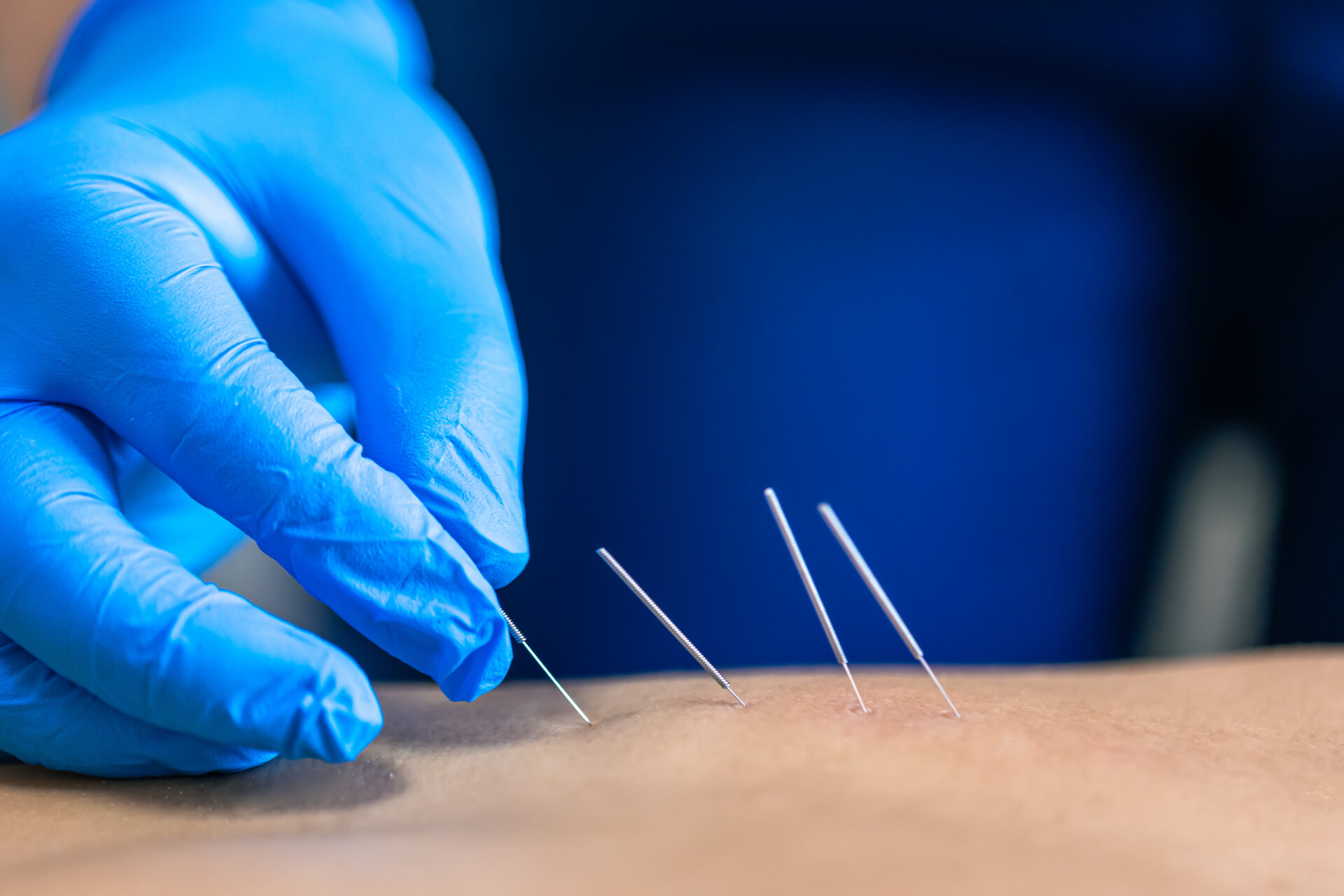
Dry needling is a skilled therapeutic technique in which thin, sterile filiform needles are inserted into specific points in muscles known as myofascial trigger points. These trigger points are tight, irritable bands of muscle fibers that can cause localized pain, stiffness, and even referred pain to other areas of the body.
The term “dry” refers to the fact that no medication or substance is injected into the tissue. The treatment relies entirely on the mechanical and neurophysiological effects of the needle itself.
Unlike acupuncture, which is based on traditional Chinese medicine and energy meridians, dry needling is rooted in modern Western medicine, anatomy, and neurophysiology. It is specifically designed to treat musculoskeletal dysfunction and pain.
The primary goals of dry needling include:
Reducing muscle tightness and spasms
Decreasing pain intensity
Improving range of motion
Restoring normal muscle activation patterns
Enhancing functional movement
Understanding Myofascial Trigger Points
To understand dry needling, it is important to first understand trigger points. Trigger points are small, hyperirritable spots located within tight bands of skeletal muscle that can cause localized pain and referred discomfort in other areas of the body. They often feel like firm “knots” or tender nodules within the muscle and may restrict normal movement and flexibility. These points can develop due to factors such as poor posture, repetitive strain, muscle overuse, physical injury, stress, or prolonged inactivity. When left untreated, trigger points can contribute to chronic pain patterns, reduced performance, muscle weakness, and ongoing functional limitations over time.
Poor posture
Repetitive strain
Muscle overuse
Trauma or injury
Stress-related tension
Sedentary lifestyle
These trigger points can cause:
Localized pain
Referred pain (pain felt in another area)
Muscle stiffness
Reduced flexibility
Weakness or fatigue in the muscle
For example, a trigger point in the shoulder may cause pain in the neck or head, contributing to tension headaches.
Dry needling directly targets these dysfunctional areas.
How Dry Needling Works in the Body
Dry needling produces its therapeutic effects through multiple physiological mechanisms that involve muscles, nerves, and the central nervous system. When a fine needle is inserted into a trigger point, it helps disrupt abnormal muscle activity and reduces excessive electrical signaling within the tissue. This process can reset dysfunctional motor endplates and encourage normal muscle contraction patterns. At the same time, dry needling stimulates local blood flow, improving oxygen delivery and nutrient exchange. It also influences nerve pathways, helping to reduce pain sensitivity and calm overactive pain signals sent to the brain. Together, these effects promote relaxation, healing, and improved muscle function.
1. Mechanical Disruption of Trigger Points
When the needle is inserted into a trigger point, it creates a localized twitch response. This involuntary contraction helps “reset” the muscle fiber and break the cycle of tension.
2. Neuromuscular Reset
Trigger points often exist due to abnormal nerve-muscle communication. Dry needling helps normalize this communication by interrupting dysfunctional electrical activity.
3. Improved Blood Flow and Oxygenation
Tight muscles often suffer from reduced circulation. Needling increases local blood flow, delivering oxygen and nutrients while removing metabolic waste.
4. Reduction of Chemical Irritants
Trigger points contain elevated levels of pain-related chemicals such as substance P and inflammatory mediators. Dry needling helps reduce these irritants.
5. Pain Signal Modulation
The treatment influences both peripheral nerves and spinal cord processing, reducing pain sensitivity and improving overall pain tolerance.
6. Muscle Relaxation and Length Restoration
Once trigger points release, muscle fibers return closer to their normal resting length, improving flexibility and movement.
Scientific Basis of Dry Needling
Dry needling is supported by a growing body of scientific research in pain science and musculoskeletal rehabilitation. Studies suggest that it can effectively reduce pain intensity, improve range of motion, and enhance overall functional performance in patients with musculoskeletal conditions. Research shows that targeting myofascial trigger points helps normalize abnormal muscle activity, decrease local inflammation, and improve circulation in affected tissues. Clinical trials have also demonstrated its benefits in conditions such as neck pain, lower back pain, and sports injuries. While outcomes may vary depending on the individual, evidence continues to support dry needling as a valuable tool in modern rehabilitation care.
Studies show that inserting needles into trigger points can:
Reduce spontaneous electrical activity in muscle fibers
Improve local oxygenation and circulation
Decrease inflammatory mediators
Normalize motor endplate dysfunction
Reduce pain perception at both spinal and cortical levels
A review published in the National Library of Medicine (NCBI) highlights that dry needling is effective for reducing pain intensity and improving functional outcomes in patients with myofascial pain syndrome and musculoskeletal disorders.
Clinical outcomes consistently show improvements in:
Pain reduction
Range of motion
Muscle function
Quality of life
While protocols vary, dry needling is often most effective when combined with corrective exercise and rehabilitation programs.
Conditions Treated with Dry Needling
Dry needling is widely used in rehabilitation settings because of its effectiveness in treating both acute and chronic musculoskeletal conditions. It is commonly applied to relieve muscle tightness, reduce pain, and improve movement in patients recovering from injuries or dealing with long-term dysfunction. Clinicians use it to target specific trigger points that contribute to restricted mobility and persistent discomfort. This technique is beneficial for conditions such as neck and back pain, sports injuries, tendon issues, and postural imbalances. By addressing underlying muscle dysfunction, dry needling supports faster recovery, enhances rehabilitation outcomes, and helps restore normal physical performance and daily function.
Neck and Shoulder Conditions
Chronic neck pain
Upper trapezius tightness
Rotator cuff dysfunction
Frozen shoulder
Back and Spine-Related Pain
Lower back muscle spasms
Postural strain
Lumbar tightness
Sciatica-related muscle guarding
Upper Extremity Conditions
Tennis elbow
Golfer’s elbow
Wrist and forearm tension
Repetitive strain injuries
Lower Extremity Conditions
Hip flexor tightness
Hamstring strain
Knee pain due to muscle imbalance
Calf tightness
Plantar fasciitis
Chronic Pain Conditions
Myofascial pain syndrome
Tension headaches
Fibromyalgia-related muscle dysfunction
Sports Injuries
Muscle strains
Overuse injuries
Recovery from intense training
Performance-related tightness
Because it targets deep muscular dysfunction, dry needling is especially valuable for stubborn pain that does not respond to stretching, massage, or conventional therapy alone.
What to Expect During a Dry Needling Session
A dry needling session is relatively quick and straightforward, making it a convenient option for many patients in rehabilitation care. After an initial assessment, the practitioner identifies specific trigger points within the affected muscles. Thin, sterile needles are then gently inserted into these targeted areas to release tension and restore normal muscle function. The process typically takes between 10 and 30 minutes, depending on the number of muscles treated and the severity of the condition. Patients may feel a brief twitch or mild pressure, followed by muscle relaxation. Most individuals can return to normal daily activities immediately after treatment.
Step 1: Assessment
A trained provider evaluates posture, movement patterns, and areas of muscle tightness.
Step 2: Identification of Trigger Points
Palpation is used to locate tight bands or knots in the muscle.
Step 3: Needle Insertion
A thin sterile needle is inserted directly into the trigger point.
Step 4: Twitch Response
A brief muscle twitch may occur, indicating the release of the trigger point.
Step 5: Relaxation Phase
The muscle gradually relaxes, and circulation improves.
Duration
Most sessions last between 10 and 30 minutes, depending on the number of areas treated.
Patients may receive multiple sessions depending on the severity and chronicity of their condition.
Benefits of Dry Needling
Dry needling offers a wide range of clinically significant benefits for individuals dealing with musculoskeletal pain and dysfunction. It is especially effective in reducing muscle tightness, relieving trigger point pain, and improving overall range of motion. Many patients experience decreased pain sensitivity and improved muscle performance shortly after treatment. The technique also enhances blood circulation, which supports faster healing and tissue recovery. In rehabilitation settings, dry needling can complement physical therapy by improving treatment outcomes and restoring normal movement patterns. It is commonly used for both acute injuries and chronic conditions, making it a versatile and valuable tool in modern pain management.
1. Rapid Pain Reduction
Many patients experience immediate or short-term relief after treatment.
2. Improved Range of Motion
Releasing tight muscle fibers enhances flexibility and movement.
3. Reduced Muscle Spasms
Helps calm overactive and irritated muscle tissue.
4. Faster Recovery
Improves circulation and tissue oxygenation, accelerating healing.
5. Drug-Free Treatment
No medications or injections are required.
6. Improved Muscle Function
Restores proper activation patterns between muscles and nerves.
7. Enhanced Physical Therapy Outcomes
Works synergistically with rehabilitation exercises and manual therapy.
8. Long-Term Pain Management
Helps reduce recurrence of trigger point formation when combined with corrective care.
Safety of Dry Needling
Dry needling is considered safe when performed by trained healthcare professionals such as physical therapists, chiropractors, or physicians.
Safety Protocols Include:
Use of sterile, single-use needles
Proper anatomical knowledge
Patient screening and evaluation
Controlled technique and depth
Possible Side Effects:
Mild soreness (common)
Temporary bruising
Fatigue in treated muscles
Slight stiffness for 24–48 hours
Serious complications are extremely rare when performed correctly.
Dry Needling vs Acupuncture
Although dry needling and acupuncture both use thin needles, they differ significantly.
Dry NeedlingAcupunctureBased on Western anatomyBased on Traditional Chinese MedicineTargets trigger pointsTargets meridian pointsFocuses on muscle dysfunctionFocuses on energy balanceEvidence-based for musculoskeletal painHolistic systemic approach
Dry needling is specifically designed for treating muscular pain and dysfunction.
Why Dry Needling Is Becoming a Leading Therapy
Modern healthcare is shifting toward precision-based, minimally invasive treatments that address root causes of pain.
Dry needling is becoming increasingly popular because it:
Targets the exact source of pain
Provides fast results
Reduces medication dependence
Improves rehabilitation outcomes
Complements other therapies
Is cost-effective and efficient
As patients seek alternatives to surgery and long-term pharmaceutical use, dry needling continues to grow in both clinical adoption and patient demand.
Frequently Asked Questions (FAQs)
1. Does dry needling hurt?
Most patients feel a quick twitch or mild pressure, but it is generally well tolerated.
2. How many sessions are needed?
Some patients improve within 1–3 sessions, while chronic cases may require ongoing care.
3. Is dry needling safe?
Yes, when performed by trained professionals using sterile techniques.
4. What conditions respond best?
Muscle tightness, trigger points, sports injuries, and chronic myofascial pain respond very well.
5. Can I return to normal activity after treatment?
Yes, most patients resume normal activities immediately.
Conclusion
Dry needling is a highly effective, evidence-based treatment for muscle pain, tightness, and dysfunction. By directly targeting trigger points, it restores normal muscle function, improves mobility, and reduces pain without relying on medication or surgery.
As part of a comprehensive rehabilitation plan, dry needling offers fast, measurable, and long-lasting improvements in musculoskeletal health.
At HealthWorks, we are dedicated to providing advanced, patient-centered therapies that focus on real recovery and long-term wellness.
If you are struggling with muscle pain, stiffness, or sports injuries, dry needling may be the solution you need.
📍 Address: 1240-A Central Ave, Summerville, SC 29483
📞 Phone: (843) 821-8787
🌐 Website: https://healthworksmed.com
Start your recovery journey today and experience precision-based pain relief.