


Benefits of Spinal Decompression for Herniated Discs
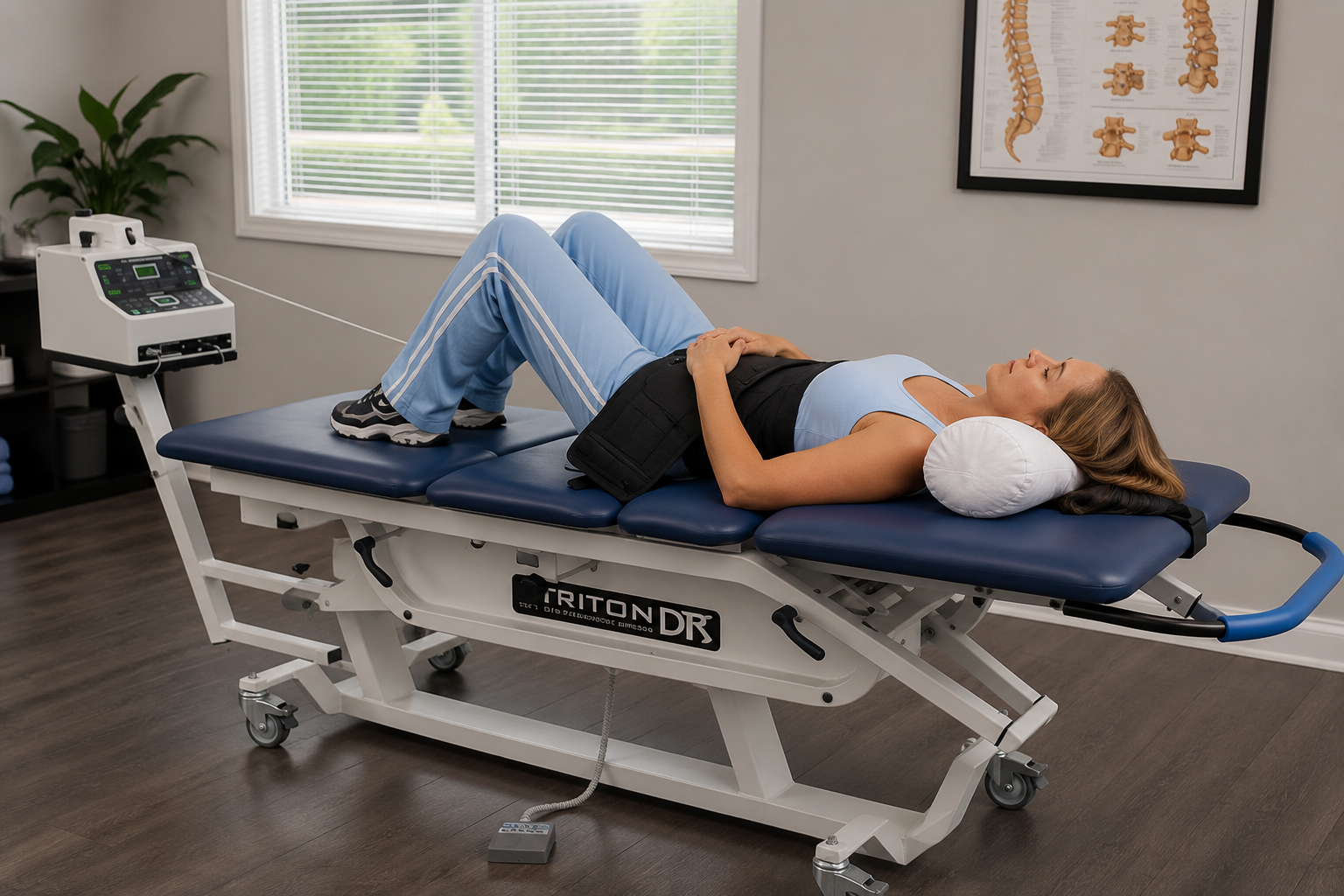
Living with a herniated disc can make everyday activities feel much more difficult than they should. Simple tasks like sitting at your desk, driving to work, bending over to tie your shoes, or getting a good night’s sleep can become painful and frustrating. Many people worry that surgery is their only option, but that’s not always the case. At HealthWorks, we believe in exploring conservative, evidence-informed treatments whenever appropriate, helping our patients find relief while supporting the body’s natural healing process.
One treatment that has helped many individuals with chronic neck and back pain is spinal decompression therapy. As part of our comprehensive approach to musculoskeletal care, we offer non-surgical spinal decompression to help reduce pressure on spinal discs, relieve nerve irritation, and improve mobility. Whether your symptoms are new or you’ve been dealing with pain for months, understanding how spinal decompression works can help you make informed decisions about your care.
Understanding Herniated Discs
Your spine is made up of individual bones called vertebrae, separated by soft, cushion-like discs. These discs act as shock absorbers, helping your spine remain flexible while protecting it from everyday stress. Each disc contains a tough outer layer and a soft, gel-like center.
A herniated disc occurs when the inner portion pushes through a weakened or damaged outer layer, according to Mayo Clinic. When this happens, the disc material can irritate nearby spinal nerves, causing inflammation and pain. Depending on the location of the herniation, symptoms may include:
Persistent neck or back pain
Pain radiating into the arms or legs
Numbness or tingling sensations
Muscle weakness
Difficulty standing or walking comfortably
Reduced flexibility and range of motion
Some herniated discs develop suddenly after lifting something heavy or experiencing an injury, while others result from gradual wear and tear over time. Age-related degeneration, repetitive movements, poor posture, excess body weight, and physically demanding occupations can all increase the risk.
Although not every herniated disc causes symptoms, those that compress nearby nerves often require treatment to improve comfort and restore daily function.
What Is Spinal Decompression Therapy?
Spinal decompression therapy is a non-surgical treatment designed to gently stretch the spine using a specialized computerized table. Unlike general traction, spinal decompression uses carefully controlled movements that target specific spinal levels while minimizing muscle guarding.
At HealthWorks, spinal decompression is incorporated into personalized treatment plans based on each patient’s diagnosis, symptoms, and overall health goals. During treatment, the decompression table applies gentle cycles of stretching and relaxation, creating negative pressure within the affected spinal discs.
This negative pressure may help:
Reduce pressure on compressed spinal nerves
Encourage movement of nutrients and oxygen into the discs
Promote hydration within damaged discs
Support the body’s natural healing response
Improve spinal mobility
Sessions are generally comfortable, and many patients describe the treatment as relaxing. Because every patient’s condition is unique, our team carefully evaluates whether spinal decompression is an appropriate option before recommending care.
How Spinal Decompression May Help Herniated Discs
One of the primary goals of spinal decompression is reducing mechanical stress placed on injured spinal discs. Herniated discs often create pressure that irritates surrounding nerves, leading to pain that can extend far beyond the spine itself.
By creating gentle separation between the vertebrae, spinal decompression may help decrease the internal pressure within the affected disc. This process may encourage part of the herniated material to move away from irritated nerves while also improving circulation to the injured area.
Better circulation matters because spinal discs receive very little direct blood supply. Instead, they rely on movement to exchange nutrients and remove waste products. Improving this process may support disc health over time and contribute to symptom improvement.
Although results vary from person to person, many individuals notice gradual improvements in pain levels, flexibility, and everyday function throughout their treatment plan.
Benefits of Choosing Non-Surgical Treatment
When people hear the words “herniated disc,” surgery is often the first thing that comes to mind. Fortunately, many patients improve with conservative treatment before surgery ever becomes necessary.
One of the biggest advantages of spinal decompression is that it does not involve incisions, injections, or lengthy recovery periods. This makes it an attractive option for patients looking to explore non-invasive solutions.
Potential benefits include:
Reduced Pressure on Pinched Nerves
Compressed nerves are often responsible for the sharp, burning, or radiating pain associated with herniated discs. By relieving spinal pressure, decompression therapy may help reduce irritation affecting these nerves.
Many patients experience improvements in symptoms that travel into the arms or legs, including numbness, tingling, and weakness.
Improved Mobility
Pain frequently causes people to limit movement, which can lead to muscle stiffness and reduced flexibility over time.
As discomfort decreases, many patients find it easier to return to activities they previously avoided. Improved mobility often supports better posture, healthier movement patterns, and greater confidence during everyday tasks.
Drug-Free Pain Management
Many individuals want alternatives to relying solely on pain medication. While medications can play an important role in certain situations, they often address symptoms rather than the underlying mechanical problem.
Spinal decompression focuses on reducing stress placed on injured spinal structures, making it a valuable component of conservative pain management.
Comfortable Treatment Sessions
One concern patients often have is whether spinal decompression will hurt.
In reality, treatments are typically gentle and carefully controlled. Our team adjusts each session according to the patient’s comfort level and treatment goals, helping create a positive experience throughout the care plan.
Most appointments last approximately 20 to 30 minutes, allowing many patients to schedule treatments around work or other daily responsibilities.
Who May Benefit from Spinal Decompression?
Spinal decompression is not a one-size-fits-all treatment, which is why a thorough evaluation is always important before beginning care.
Patients who may benefit include those experiencing:
Herniated discs
Bulging discs
Sciatica
Degenerative disc disease
Chronic neck pain
Chronic low back pain
Pinched nerves
Facet syndrome
Certain cases of spinal stenosis
Ongoing pain after previous back injuries
Our team takes time to understand your symptoms, review your medical history, and determine whether spinal decompression fits your individual needs. If another treatment approach is more appropriate, we’ll discuss those options as well.
Why Personalized Treatment Matters
No two herniated discs are exactly alike. The location of the injury, severity of symptoms, lifestyle, occupation, and overall spinal health all influence the most effective treatment plan.
Rather than offering a one-size-fits-all solution, we focus on developing personalized care plans designed around each patient’s specific condition. Spinal decompression is often combined with rehabilitation exercises and other conservative therapies to improve spinal stability, strengthen supporting muscles, and help reduce the likelihood of recurring problems.
By addressing more than just the symptoms, our goal is to help patients move better, feel stronger, and regain confidence in their daily lives.
What to Expect During Your Treatment
If you’ve never experienced spinal decompression therapy before, it’s natural to wonder what a typical appointment involves. At HealthWorks, we begin with a thorough evaluation to determine whether spinal decompression is appropriate for your condition. This includes discussing your symptoms, reviewing your health history, and assessing your spine and mobility.
If spinal decompression is recommended, our team will create a treatment plan tailored to your individual needs. During each session, you’ll lie comfortably on a specialized decompression table while gentle, computerized stretching cycles are applied to the targeted area of your spine. The treatment is designed to be precise and controlled, allowing the spine to decompress gradually without sudden movements.
Many patients find the sessions relaxing and appreciate that there is no downtime afterward. Depending on your condition and treatment plan, multiple sessions over several weeks may be recommended to help achieve the best possible results.
A Comprehensive Approach to Healing
While spinal decompression can be highly effective for many people with herniated discs, we recognize that lasting relief often comes from addressing the bigger picture. That’s why our approach focuses on more than simply reducing pain.
In addition to decompression therapy, we may recommend rehabilitation exercises, movement education, and other conservative therapies that complement your treatment plan. Strengthening the muscles that support your spine, improving flexibility, and correcting movement patterns can all contribute to better spinal stability and long-term function.
We also encourage healthy lifestyle habits that support spinal health, such as maintaining good posture, staying physically active, using proper lifting techniques, and managing body weight. These habits can reduce unnecessary stress on the spine and help protect your results after treatment.
Our goal is not only to help you feel better today but also to equip you with the tools and guidance needed to support your spine for years to come.
Why Early Treatment Can Make a Difference
Some people try to ignore back or neck pain, hoping it will resolve on its own. While mild discomfort may improve with rest, persistent pain, numbness, tingling, or weakness should not be overlooked.
Seeking care early may help prevent symptoms from becoming more severe and reduce the impact that chronic pain can have on your daily life. Early intervention may also allow conservative treatments like spinal decompression to be more effective before more invasive options need to be considered.
If your herniated disc is interfering with work, exercise, hobbies, or sleep, scheduling an evaluation can be an important first step toward finding relief.
Frequently Asked Questions
Is spinal decompression therapy painful?
Most patients report that spinal decompression therapy is comfortable. The treatment uses gentle, controlled movements, and many people describe the sessions as relaxing.
How many treatments will I need?
The number of treatments varies depending on factors such as the severity of your herniated disc, the duration of your symptoms, and your overall health. After your evaluation, we’ll recommend a personalized treatment plan based on your needs.
Can spinal decompression help sciatica?
Yes. If your sciatica is caused by a herniated or bulging disc placing pressure on the sciatic nerve, spinal decompression may help reduce that pressure and improve symptoms as part of a comprehensive treatment plan.
Is surgery always necessary for a herniated disc?
No. Many patients experience significant improvement through conservative care. While surgery may be appropriate in some cases, non-surgical options like spinal decompression are often explored first when clinically appropriate.
Who should avoid spinal decompression therapy?
Spinal decompression is not suitable for everyone. Certain medical conditions may require alternative treatment approaches. Our team performs a thorough evaluation to determine whether spinal decompression is a safe and appropriate option for you.
Conclusion
A herniated disc can affect nearly every aspect of your daily life, but it doesn’t automatically mean surgery is your only choice. Non-surgical spinal decompression offers a conservative approach that may help reduce pressure on affected discs, relieve nerve irritation, improve mobility, and support your body’s natural healing process.
At HealthWorks, we are committed to providing personalized care that focuses on both relieving your current symptoms and helping you achieve lasting improvements in spinal health. By combining advanced decompression therapy with individualized treatment plans and supportive rehabilitation, we strive to help our patients return to the activities they enjoy with greater comfort and confidence.
If you’re struggling with pain from a herniated disc and want to explore non-surgical treatment options, our team at HealthWorks is here to help. We’ll take the time to understand your symptoms, perform a comprehensive evaluation, and recommend a treatment plan designed around your individual needs.
Whether your pain has just begun or you’ve been dealing with chronic discomfort for months, we’re ready to help you take the next step toward better spinal health.
HealthWorks
📍 1240-A Central Ave, Summerville, SC 29483
📞 (843) 821-8787
🌐 healthworksmed.com