


How EMTT Helps Reduce Joint Pain
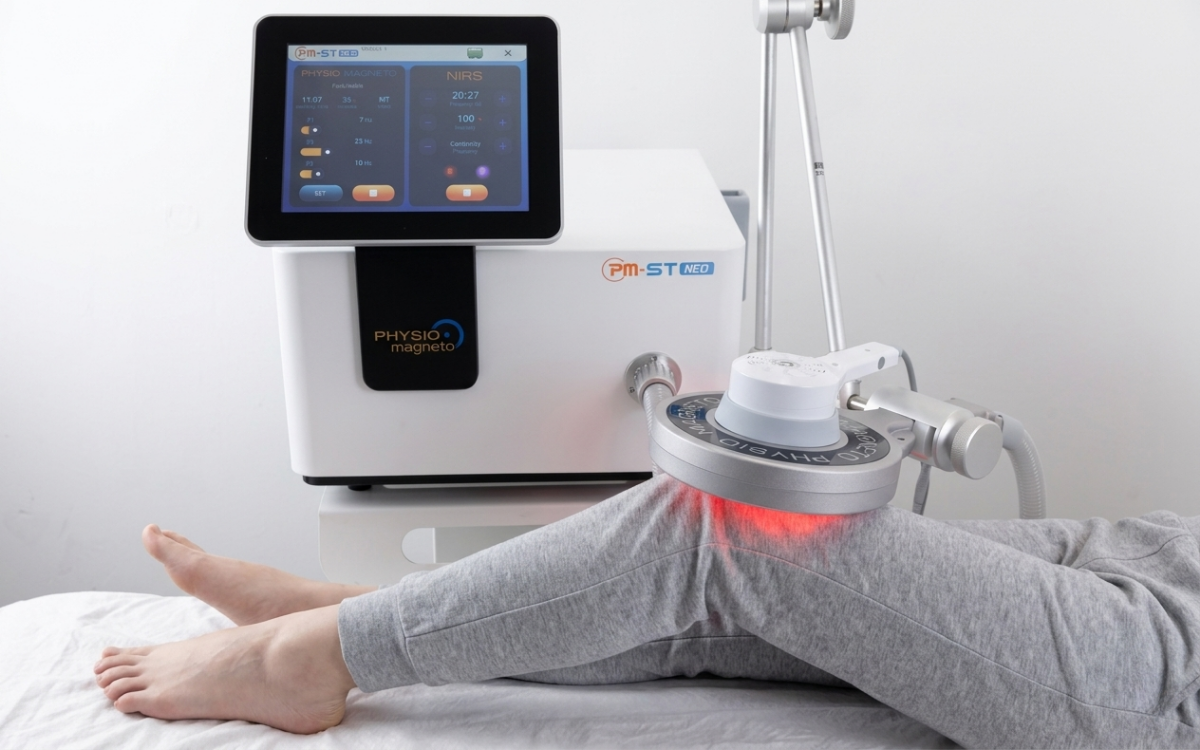
Joint pain is one of the most common reasons people seek medical care. Whether it develops gradually due to aging and wear-and-tear or appears suddenly after an injury, joint pain can interfere with nearly every aspect of daily life. Simple activities such as walking, climbing stairs, exercising, gardening, working, or even getting comfortable at night can become difficult and frustrating.
Many people turn to pain medications, injections, or even consider surgery when joint pain becomes severe. While these options can sometimes be necessary, many patients are searching for non-invasive treatments that help reduce pain while supporting the body’s natural healing processes.
One innovative treatment gaining attention in the field of musculoskeletal medicine is Electromagnetic Transduction Therapy (EMTT). HealthWorks in Summerville, South Carolina offers EMTT as part of its comprehensive approach to treating pain and improving function. EMTT uses high-intensity electromagnetic pulses to target painful tissues deep within the body, helping stimulate healing and reduce inflammation without surgery or downtime. At HealthWorks, EMTT is used to help treat musculoskeletal pain, degenerative tissue conditions, osteoarthritis, rheumatoid arthritis, neuropathic pain, herniated discs, spondyloarthritis, and other chronic pain conditions.
If you suffer from chronic joint pain, understanding how EMTT works and why it may help could provide valuable insight into a treatment option that offers a different approach from medications and invasive procedures.
Understanding Joint Pain
Before exploring how EMTT works, it is important to understand why joint pain occurs.
Joints are the areas where two bones meet. They allow movement and flexibility while supporting the body’s weight and daily activities. Healthy joints contain cartilage, ligaments, tendons, synovial fluid, and other supportive structures that help movement occur smoothly. According to Mayo Clinic, addressing joint issues early can help prevent long-term damage and maintain overall mobility.
When these tissues become damaged, irritated, or inflamed, pain often develops.
Common causes of joint pain include:
Osteoarthritis
Rheumatoid arthritis
Sports injuries
Tendon injuries
Ligament strains
Repetitive stress injuries
Degenerative joint disease
Bursitis
Inflammation
Cartilage damage
Overuse injuries
Age-related wear and tear
Many patients notice symptoms such as:
Aching joints
Stiffness
Swelling
Reduced range of motion
Weakness
Difficulty walking
Pain during exercise
Morning stiffness
Chronic discomfort
While traditional treatments often focus on symptom management, EMTT seeks to address the underlying tissue dysfunction contributing to pain.
What Is EMTT?
Electromagnetic Transduction Therapy (EMTT) is an advanced, non-invasive treatment that uses high-energy electromagnetic pulses to support tissue healing, stimulate cellular activity, reduce inflammation, and support the body’s natural healing processes. At HealthWorks, EMTT is used to help patients experiencing joint pain, arthritis, chronic inflammation, sports injuries, and other musculoskeletal conditions.
Patients remain fully clothed while a treatment applicator is positioned over the painful area. No needles, incisions, anesthesia, or recovery time are required.
HealthWorks offers EMTT as part of its commitment to providing modern, conservative treatment options for patients suffering from musculoskeletal pain. You can read more about patient experiences and insights on our blog.
The Science Behind EMTT
To understand how EMTT reduces joint pain, it helps to examine what occurs at the cellular level.
When tissues are injured or chronically inflamed, normal cellular communication can become disrupted. Cells may struggle to repair damage efficiently, resulting in ongoing inflammation, reduced circulation, and persistent pain.
EMTT delivers rapidly changing electromagnetic pulses that induce biological responses within cells. These pulses help stimulate cellular activity, improve tissue metabolism, support regeneration, and encourage the body’s natural healing mechanisms. Research and clinical descriptions of EMTT indicate that it may stimulate cell metabolism, tissue regeneration, microcirculation, and healing processes while reducing inflammation and pain.
Instead of simply masking pain, EMTT aims to create conditions that support recovery and tissue repair.
How EMTT Helps Reduce Joint Pain
1. Reduces Inflammation
Inflammation is one of the primary drivers of joint pain.
When inflammation persists, tissues become irritated and sensitive, resulting in pain, stiffness, and swelling.
EMTT has been widely used for inflammatory joint conditions because electromagnetic stimulation may help regulate inflammatory responses within tissues. By reducing excessive inflammation, patients often experience less discomfort and improved mobility. EMTT is commonly used for inflammatory joint diseases, chronic inflammation of tendons and joints, and pain management associated with inflammatory conditions.
2. Stimulates Cellular Repair
Damaged tissues often struggle to heal efficiently.
EMTT encourages cellular activity that supports tissue regeneration. When cells function more effectively, the body can better repair injured cartilage, tendons, ligaments, and surrounding structures.
This regenerative effect may contribute to lasting improvements rather than temporary symptom relief. EMTT is specifically promoted as a therapy that enhances healing processes and tissue regeneration in musculoskeletal conditions.
3. Improves Circulation
Healthy circulation is essential for healing.
Blood delivers oxygen and nutrients while removing waste products from injured tissues.
EMTT has been shown to support local blood circulation and microcirculation, helping tissues receive the resources needed for recovery. Better circulation can contribute to reduced pain and improved function.
4. Addresses Chronic Pain at Its Source
Many people live with joint pain for years.
Chronic pain often develops when tissues fail to fully recover from injury or degeneration. Over time, persistent inflammation and altered cellular function can create a cycle of ongoing discomfort.
EMTT targets deeper biological processes that contribute to chronic pain. Because it reaches tissues below the surface, it may help address underlying dysfunction rather than simply covering up symptoms. EMTT is frequently used for chronic musculoskeletal pain, osteoarthritis, and degenerative joint disorders.
5. Supports Natural Healing
One of EMTT’s most appealing features is its focus on natural healing.
Instead of introducing drugs into the body, EMTT stimulates the body’s own repair mechanisms. This makes it an attractive option for individuals seeking conservative treatment approaches.
The therapy works alongside the body’s biological processes, helping create an environment conducive to healing and recovery.
How EMTT Helps Patients with Osteoarthritis
Osteoarthritis is the most common form of arthritis and a leading cause of chronic joint pain. It develops when the protective cartilage within a joint gradually wears down, leading to pain, stiffness, inflammation, and reduced mobility. The condition commonly affects the knees, hips, shoulders, hands, and spine.
While traditional treatments often focus on symptom management through medications or injections, Electromagnetic Transduction Therapy (EMTT) offers a non-invasive approach that supports the body’s natural healing processes.
EMTT delivers high-energy electromagnetic pulses deep into affected tissues. These pulses help stimulate cellular activity, support circulation, and encourage biological processes associated with tissue repair and recovery. For individuals with osteoarthritis, this may help reduce inflammation, improve joint function, and decrease discomfort.
One of the challenges of osteoarthritis is that pain often leads to less movement, which can weaken surrounding muscles and place additional stress on the affected joint. By helping reduce pain and stiffness, EMTT may make it easier for patients to stay active and maintain better mobility.
EMTT is commonly used for osteoarthritis affecting the knees, hips, shoulders, and spine. Because the therapy penetrates deep into tissues, it can target areas that are difficult to reach with many conventional treatment methods.
Although EMTT cannot reverse severe joint degeneration, it may help improve quality of life by reducing pain, supporting healthy tissue function, and helping patients remain active. For many individuals seeking a non-surgical option for osteoarthritis management, EMTT can be a valuable part of a comprehensive treatment plan.
Conditions That May Benefit From EMTT
EMTT has been used for a wide range of joint and musculoskeletal conditions.
Examples include:
Osteoarthritis
Osteoarthritis is one of the leading causes of chronic joint pain.
As cartilage gradually wears down, joints become stiff, inflamed, and painful. EMTT may help reduce inflammation while supporting tissue health and mobility. HealthWorks specifically lists osteoarthritis among the conditions treated with EMTT.
Rheumatoid Arthritis
Rheumatoid arthritis is an autoimmune condition that causes inflammation in the joints.
Although EMTT does not cure rheumatoid arthritis, it may help reduce pain and improve joint function as part of a comprehensive treatment strategy. HealthWorks identifies rheumatoid arthritis as one of the conditions addressed with EMTT.
Knee Pain
Knee pain can arise from arthritis, injury, overuse, or degeneration.
EMTT’s deep penetration capabilities make it particularly useful for targeting large joints such as the knee. Many clinics use EMTT for chronic knee pain and degenerative joint disorders.
Shoulder Pain
Shoulder conditions often involve tendons, ligaments, and joint structures.
EMTT may support healing while reducing inflammation and improving mobility. Tendinopathies and rotator cuff conditions are commonly cited indications.
Hip Pain
Hip joints are subjected to substantial stress throughout daily activities.
Patients with arthritis or chronic hip pain may benefit from EMTT’s ability to penetrate deep tissues and stimulate repair processes.
Sports Injuries
Athletes frequently experience joint injuries involving inflammation, overuse, or tissue damage.
EMTT is often utilized to support rehabilitation and recovery following sports-related injuries.
Learn more about the full scope of what we treat on our services page.
What Happens During an EMTT Session?
Patients are often surprised by how simple EMTT treatment is.
During a session:
The patient remains fully clothed.
A treatment applicator is positioned over the painful area.
High-energy electromagnetic pulses are delivered.
The patient relaxes while treatment occurs.
The session typically lasts between 10 and 20 minutes depending on the condition being treated.
Most patients experience little to no discomfort during treatment.
Because EMTT is non-invasive, patients can usually return to normal activities immediately afterward.
Advantages of EMTT Compared to Traditional Approaches
No Surgery
Surgery can involve lengthy recovery periods, risks, and significant expense.
EMTT provides a conservative alternative that may help many patients postpone or avoid surgical intervention.
No Medications
Pain medications can sometimes cause unwanted side effects or dependency concerns.
EMTT provides pain relief without relying on pharmaceutical treatments.
No Downtime
Patients can typically resume normal daily activities immediately after treatment.
Deep Tissue Penetration
Unlike some therapies that primarily affect surface tissues, EMTT can penetrate deeper structures where many joint problems originate. Penetration depths up to approximately 18 cm have been reported for EMTT systems.
Comfortable Treatment
Most patients find EMTT comfortable and easy to tolerate. Direct skin contact is generally not required, and treatments are often described as painless or minimally uncomfortable.
EMTT and Other Complementary Therapies
EMTT often works well alongside other conservative treatments.
Depending on a patient’s condition, providers may combine EMTT with:
Chiropractic care
Physical rehabilitation
Stretching programs
Corrective exercises
Massage therapy
Shockwave therapy
Decompression therapy
Some practitioners specifically report enhanced outcomes when EMTT is combined with Extracorporeal Shockwave Therapy (ESWT) for certain musculoskeletal conditions.
HealthWorks offers several complementary services that may help create a comprehensive treatment plan tailored to individual needs.
Who Is a Good Candidate for EMTT?
Many individuals experiencing chronic or recurring joint pain may be candidates for EMTT.
Potential candidates include:
Individuals with osteoarthritis
Patients with chronic inflammation
Athletes recovering from injuries
Individuals with repetitive stress injuries
Patients seeking non-surgical treatment options
People experiencing tendon or ligament pain
Individuals with chronic musculoskeletal conditions
A thorough evaluation helps determine whether EMTT is appropriate based on the patient’s health history, diagnosis, and treatment goals.
Frequently Asked Questions
What does EMTT stand for?
EMTT stands for Electromagnetic Transduction Therapy, a non-invasive treatment that uses high-energy electromagnetic pulses to support healing and reduce pain.
Is EMTT painful?
Most patients report little to no discomfort during treatment. The therapy is generally considered comfortable and well tolerated.
How long does an EMTT session take?
Most sessions last approximately 10 to 20 minutes, depending on the condition being treated.
How many treatments are needed?
Treatment plans vary, but many protocols involve multiple sessions over several weeks. Some providers recommend approximately 6–10 sessions depending on the condition and patient response.
Can EMTT help arthritis pain?
Yes. EMTT is commonly used for osteoarthritis, rheumatoid arthritis, and other degenerative joint conditions.
Is there any downtime after treatment?
No. Patients can generally return to normal activities immediately after their session.
Can EMTT replace surgery?
Every case is different. While EMTT may help some patients avoid or delay surgery, others may still require surgical treatment depending on the severity of their condition.
Is EMTT safe?
EMTT is widely described as non-invasive and generally well tolerated. However, certain individuals, such as those with pacemakers or specific implanted devices, may not be candidates. A healthcare provider can determine suitability.
Conclusion
Joint pain can significantly impact quality of life, limiting movement, independence, and daily activities. While traditional treatments often focus on managing symptoms, Electromagnetic Transduction Therapy (EMTT) offers a different approach by supporting the body’s natural healing processes.
Through high-energy electromagnetic stimulation, EMTT may help reduce inflammation, improve circulation, stimulate cellular repair, and decrease chronic pain. Its non-invasive nature, lack of downtime, and ability to target deep tissues make it an attractive option for individuals seeking alternatives to medications or surgery. HealthWorks includes EMTT among its advanced therapies for musculoskeletal pain, degenerative tissue conditions, arthritis, neuropathic pain, and related disorders.
For patients struggling with ongoing joint discomfort, EMTT may provide an effective path toward improved mobility, reduced pain, and a better quality of life.
If joint pain is keeping you from enjoying your daily activities, the team at HealthWorks can help determine whether EMTT is right for you.
HealthWorks
📍 Address: 1240-A Central Ave, Summerville, SC 29483
📞 Phone: (843) 821-8787
🌐 Website: HealthWorks
📧 Email: info@healthworksmed.com
Schedule a consultation today to learn more about EMTT and discover a personalized treatment plan designed to help you move better, feel better, and get back to doing the things you love.