


Healing with Light: The Future of Pain Management Using Class 4 Laser Therapy
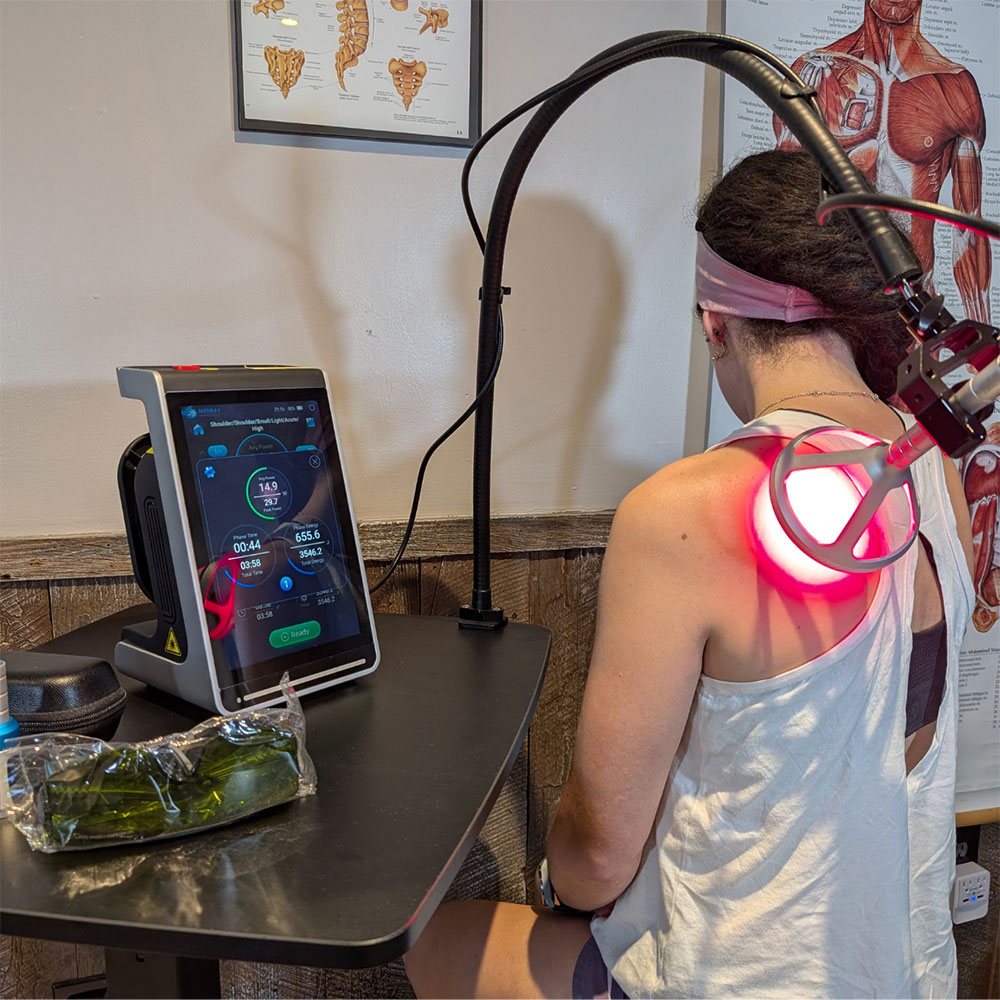
Pain is one of the most persistent and limiting health challenges in modern society. Whether it comes from long hours at a desk, sports injuries, arthritis, nerve conditions, or post-surgical recovery, pain affects how people move, work, sleep, and live. For many patients, traditional solutions such as pain medications, steroid injections, or surgery provide only partial relief—or come with unwanted side effects and risks.
In response to this growing need for safer and more effective alternatives, modern rehabilitation medicine has embraced an innovative technology: Class 4 Laser Therapy. This advanced treatment uses concentrated light energy to stimulate healing at the cellular level, reduce inflammation, and relieve pain without drugs or invasive procedures.
Over the past decade, Class 4 laser therapy has moved from a niche treatment to a widely used tool in physical therapy, chiropractic care, sports medicine, and pain management clinics. It represents a shift toward regenerative, non-invasive healthcare that focuses on healing the body rather than masking symptoms.
This article explores in depth how Class 4 laser therapy works, its clinical benefits, conditions it treats, scientific evidence behind it, and why it is shaping the future of pain management.
Understanding Class 4 Laser Therapy
Class 4 Laser Therapy, also known as high-intensity laser therapy (HILT), is a therapeutic technique that uses high-powered infrared light to penetrate deep into soft tissues, joints, and even bone structures.
Unlike low-level laser therapy (LLLT), which uses lower energy output and is limited to superficial tissues, Class 4 lasers deliver significantly higher power. This allows energy to reach deeper layers of the body where many chronic pain conditions originate.
The core mechanism behind this therapy is known as photobiomodulation, a biological process in which light energy interacts with cells and stimulates natural healing responses. When tissues absorb this light energy, it triggers a cascade of physiological effects that improve recovery and reduce pain.
Researchers have found that photobiomodulation influences cellular metabolism, inflammation pathways, and nerve function, making it effective for a wide range of musculoskeletal conditions.
How Class 4 Laser Therapy Works in the Body
To understand why Class 4 laser therapy is effective, it is important to look at what happens inside the body during treatment. When high-intensity light penetrates the skin, it reaches deep tissues where it stimulates cellular activity at the mitochondrial level. This increases the production of ATP, which fuels cell repair and regeneration. At the same time, the therapy helps reduce inflammation by influencing chemical signals involved in the healing process. Blood circulation improves, allowing oxygen and nutrients to reach damaged tissues more efficiently. Nerve sensitivity may also decrease, helping reduce pain perception and promote faster, more natural recovery of injured areas.
1. Cellular Energy Activation
At the core of every cell are mitochondria, often referred to as the “powerhouses” of the cell. Class 4 laser light stimulates these mitochondria, increasing production of adenosine triphosphate (ATP)—the energy source required for cellular repair and regeneration.
More ATP means faster healing, improved tissue function, and enhanced recovery from injury.
2. Reduction of Inflammation
Inflammation is a natural response to injury, but chronic inflammation is one of the main drivers of persistent pain.
Laser therapy helps regulate inflammatory mediators by:
Reducing pro-inflammatory cytokines
Increasing anti-inflammatory responses
Improving lymphatic drainage
This leads to reduced swelling, stiffness, and discomfort in affected areas.
3. Improved Blood Circulation
One of the most immediate effects of laser therapy is vasodilation, or the widening of blood vessels. This improves circulation and allows:
More oxygen delivery
Faster nutrient transport
Efficient removal of waste products
Better circulation creates an optimal environment for healing damaged tissues.
4. Nerve Pain Modulation
Chronic pain often involves hypersensitive nerve pathways. Class 4 laser therapy can help “calm” overactive nerve signals, reducing the intensity of pain perception.
This is particularly beneficial for conditions such as:
Sciatica
Neuropathy
Radicular pain
5. Tissue Repair and Regeneration
Laser energy accelerates the repair of:
Muscles
Tendons
Ligaments
Cartilage
By enhancing fibroblast activity and collagen production, the body rebuilds damaged tissue more efficiently.
Key Benefits of Class 4 Laser Therapy
Class 4 laser therapy offers a wide range of benefits that make it a compelling alternative or complement to traditional pain treatments. It provides non-invasive, drug-free pain relief without the risks associated with surgery or long-term medication use. The therapy penetrates deeply into tissues, targeting the source of pain rather than just masking symptoms. It helps reduce inflammation, improve blood circulation, and accelerate the body’s natural healing processes. Patients often experience improved mobility, reduced stiffness, and faster recovery from injuries. Because treatments are quick and generally comfortable, it is an accessible option for individuals seeking effective, modern solutions for chronic or acute pain conditions.
1. Non-Invasive and Drug-Free
One of the most significant advantages is that it does not require:
Surgery
Injections
Pain medications
This reduces the risk of side effects, dependency, or complications.
2. Fast and Convenient Treatment
Most sessions last only 5–15 minutes, making it easy to integrate into busy schedules. Patients can return to normal activities immediately afterward.
3. Deep Tissue Penetration
Unlike surface-level treatments, Class 4 lasers reach deep anatomical structures, addressing the root cause of pain rather than just symptoms.
4. Reduced Healing Time
By stimulating cellular repair processes, recovery times are often significantly shortened compared to traditional therapies alone.
5. Improved Mobility and Function
Patients frequently report:
Reduced stiffness
Better range of motion
Increased physical performance
This is especially valuable for athletes and active individuals.
6. Minimal Side Effects
When properly administered, side effects are rare and typically mild, such as temporary warmth or slight redness.
Conditions Treated with Class 4 Laser Therapy
Class 4 laser therapy is used to treat a wide variety of acute and chronic conditions, particularly those involving pain, inflammation, or soft tissue injury. It is commonly applied in cases such as back and neck pain, arthritis, tendonitis, muscle strains, ligament sprains, and sports-related injuries. It is also beneficial for nerve-related conditions like sciatica and neuropathy, as well as foot and ankle issues such as plantar fasciitis. By targeting affected tissues with concentrated light energy, the therapy helps reduce inflammation, improve circulation, and stimulate healing, making it a versatile option for both short-term injuries and long-standing chronic pain conditions.
Musculoskeletal Conditions
Chronic back pain
Neck pain
Shoulder impingement
Muscle spasms
Joint Disorders
Osteoarthritis
Knee degeneration
Hip pain
Temporomandibular joint (TMJ) dysfunction
Sports Injuries
Sprains and strains
Tendonitis
Ligament injuries
Overuse injuries
Nerve-Related Conditions
Sciatica
Peripheral neuropathy
Nerve compression syndromes
Foot and Ankle Conditions
Plantar fasciitis
Achilles tendonitis
Heel pain
Clinical studies continue to demonstrate improvements in pain reduction and functional recovery across these conditions when laser therapy is included in treatment plans.
What Happens During a Laser Therapy Session?
A typical session is simple, comfortable, and requires no preparation. Patients can arrive and begin treatment without special steps such as fasting, medication changes, or recovery time beforehand. During the session, a trained provider applies the laser device directly to the affected area, delivering gentle, focused light energy into the tissues. Most patients feel a mild warming sensation, but the procedure is generally painless. Sessions are usually short, often lasting only a few minutes depending on the condition being treated. Afterward, patients can immediately return to normal daily activities, making it a convenient option for busy individuals seeking effective pain relief.
Step 1: Assessment
The clinician evaluates the affected area and determines treatment settings.
Step 2: Targeted Application
A handheld laser device is applied directly to the skin over the painful area.
Step 3: Gentle Sensation
Patients usually feel a soothing warmth as the light penetrates tissue.
Step 4: Short Treatment Time
Sessions typically last between 5 and 15 minutes depending on condition severity.
Step 5: Immediate Recovery
There is no downtime, and patients can return to normal activities immediately.
Scientific Evidence Supporting Class 4 Laser Therapy
Scientific research into photobiomodulation has expanded significantly over the past decade. Studies suggest that Class 4 laser therapy can reduce pain, decrease inflammation, enhance tissue repair, improve circulation, and support faster recovery in musculoskeletal conditions. Evidence also indicates potential benefits in improving joint function and overall physical performance when used consistently.
Reduce chronic musculoskeletal pain
Improve joint function
Enhance tissue regeneration
Decrease inflammation markers
Improve quality of life scores
A growing body of systematic reviews indicates that high-intensity laser therapy may outperform some traditional modalities in terms of pain reduction and functional improvement, especially when used consistently as part of a rehabilitation program.
While ongoing research continues to refine treatment protocols, the existing evidence strongly supports its clinical effectiveness in pain management settings.
Limitations of Class 4 Laser Therapy
Although highly effective, it is important to understand its limitations.
It is not a single-session cure for chronic conditions
Results vary depending on individual health status
Works best when combined with physical therapy or exercise
Requires multiple sessions for long-term conditions
Proper dosing and technique are critical for success
It should always be administered by trained healthcare professionals as part of a comprehensive treatment plan.
The Future of Pain Management
Healthcare is gradually shifting from symptom control to regenerative medicine, where the focus is on healing tissues and restoring function naturally. Instead of simply masking pain or inflammation with medications, modern approaches aim to address the underlying causes of injury and degeneration. Regenerative therapies such as Class 4 laser therapy, physical rehabilitation, and biologic treatments support the body’s own repair mechanisms. These methods help improve cellular activity, reduce inflammation, and promote tissue regeneration over time. As a result, patients may experience longer-lasting relief, improved mobility, and better overall function, marking a significant evolution in how chronic pain and injuries are managed today.
Class 4 laser therapy is part of this evolution because it:
Stimulates the body’s natural healing systems
Reduces reliance on opioids and pain medications
Supports non-invasive recovery strategies
Enhances rehabilitation outcomes
As technology advances, laser therapy is expected to become even more precise, personalized, and widely accessible. It may also be combined with other regenerative therapies such as shockwave therapy, stem cell treatments, and advanced physical rehabilitation protocols.
Frequently Asked Questions (FAQs)
1. Is Class 4 laser therapy safe?
Yes. When performed by trained professionals, it is considered very safe and non-invasive.
2. Does the treatment hurt?
No. Most patients experience a gentle warming sensation.
3. How many sessions are needed?
Acute injuries may require a few sessions, while chronic conditions may need several weeks of treatment.
4. How quickly will I see results?
Some patients feel relief after the first session, but gradual improvement is more common.
5. Can it replace surgery?
In some cases, it may reduce the need for surgery, but it depends on the severity of the condition.
6. Are there any side effects?
Side effects are rare and usually mild, such as temporary redness or warmth.
Conclusion
Class 4 Laser Therapy represents a major advancement in modern pain management and rehabilitation. By harnessing the power of high-intensity light energy, it works at the cellular level to stimulate the body’s natural healing processes. This includes promoting tissue repair, reducing inflammation, and improving blood circulation to injured or affected areas. Unlike invasive procedures or long-term medication use, it offers a non-surgical and drug-free approach to managing pain and supporting recovery. Patients often benefit from improved mobility, reduced stiffness, and faster healing times.
While it is not a standalone cure for every condition, Class 4 laser therapy is highly effective when integrated into a comprehensive treatment plan that may include physical therapy, exercise, and other rehabilitative care. It is commonly used for chronic pain, sports injuries, and musculoskeletal disorders. As healthcare continues to evolve, this therapy is expected to play an increasingly important role in delivering safer, more regenerative, and patient-centered treatment options.
If you are struggling with chronic pain, limited mobility, or injury recovery, Class 4 Laser Therapy may be a valuable option for you.
To learn more or schedule a consultation:
📍 Address: 1240-A Central Ave, Summerville, SC 29483
📞 Phone: (843) 821-8787
🌐 Website: HealthWorks Med
Take the next step toward lasting pain relief and discover how advanced laser technology can support your recovery and improve your quality of life.