


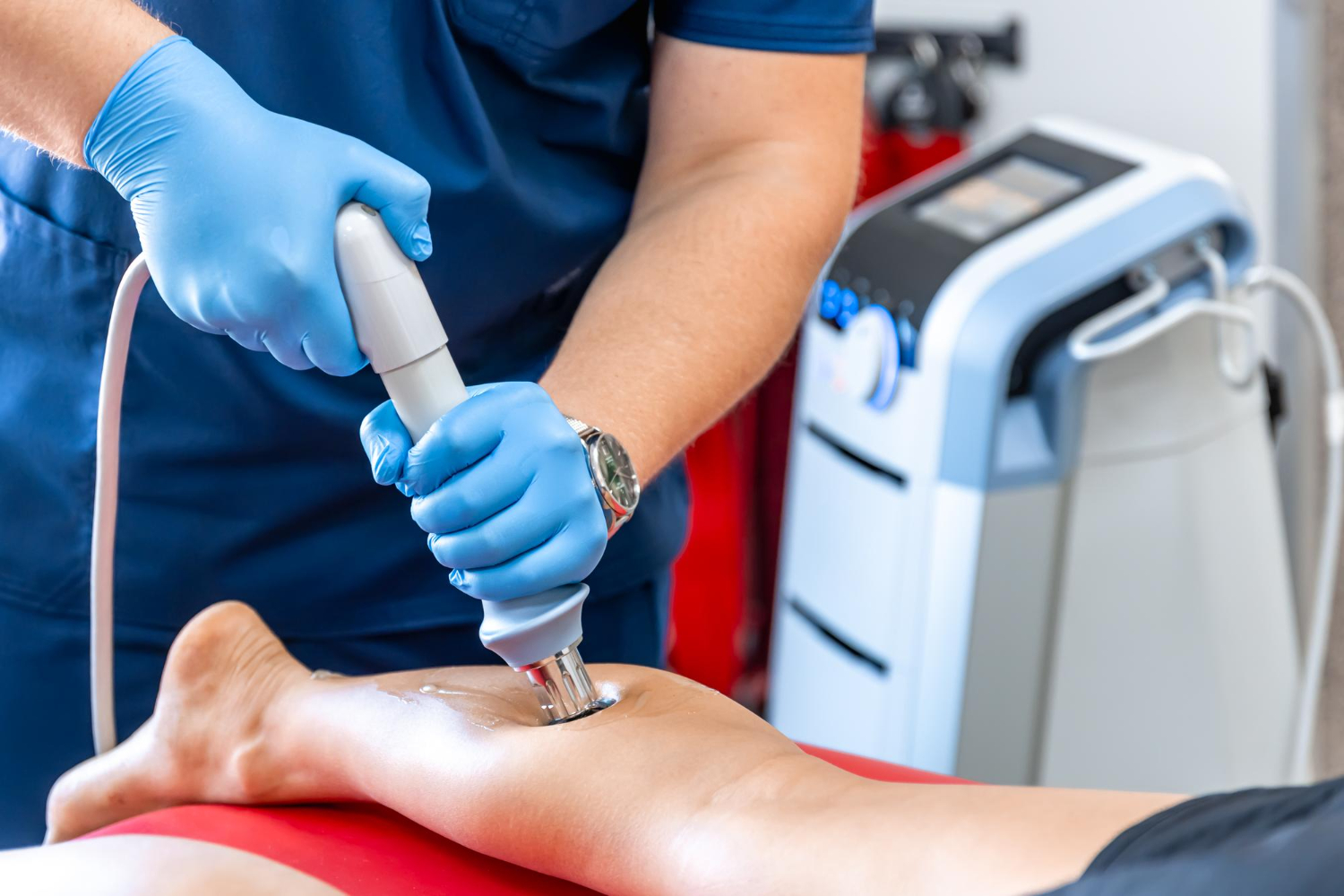
Chronic pain and musculoskeletal injuries can drastically affect quality of life. From athletes battling repetitive strain injuries to office workers struggling with back or shoulder pain, finding an effective treatment is often challenging. One solution that has emerged as a highly effective, non-invasive treatment is Shockwave Therapy, also known as Extracorporeal Shock Wave Therapy (EWST).
This innovative therapy delivers high-energy waves to the injured area, stimulating natural healing processes and reducing pain without the need for surgery or medication. Unlike ultrasound therapy, which primarily uses sound waves for diagnostics or mild therapeutic effects, Shockwave Therapy uses mechanical energy to actively promote tissue regeneration at the cellular level.
In this article, we will explore everything you need to know about Shockwave Therapy, including how it works, its benefits, the conditions it treats, the procedure, scientific evidence, FAQs, and tips to enhance its effectiveness.
What is Shockwave Therapy?
Shockwave Therapy is a safe, non-invasive treatment aimed at alleviating chronic pain and promoting the natural repair of damaged tissues. Originally developed for kidney stone treatment, it has become widely used in managing musculoskeletal injuries, including tendonitis, plantar fasciitis, and shoulder or elbow pain. By delivering high-energy acoustic waves directly to affected areas, the therapy stimulates blood flow, accelerates collagen production, and encourages tissue regeneration. Its minimal risks, lack of need for surgery or medication, and proven effectiveness have made it a preferred choice for patients seeking faster recovery, improved mobility, and long-term pain relief.
How Shockwave Therapy Works
Shockwave Therapy works by delivering high-energy acoustic waves directly to damaged tissues, targeting areas of chronic pain or injury. These waves penetrate the skin and stimulate the underlying tissue, triggering a cascade of therapeutic effects. They promote increased blood flow, which supplies oxygen and essential nutrients to the injured area, and stimulate collagen production, a key component in tissue repair. Additionally, the waves help break down scar tissue and calcifications, improving tissue flexibility and function. By activating the body’s natural healing processes, Shockwave Therapy accelerates recovery, reduces inflammation, and provides long-lasting pain relief without the need for invasive surgery or medications.
Increased Blood Flow: Improved circulation delivers essential nutrients and oxygen to the damaged tissue, speeding up the healing process.
Stimulation of Collagen Production: Collagen is a vital protein that forms the structural framework of connective tissues like tendons and ligaments. Shockwave Therapy stimulates collagen synthesis, helping to repair damaged tissues.
Breakdown of Calcifications and Scar Tissue: Over time, chronic injuries may result in calcium deposits or scar tissue, which can cause persistent pain and restrict movement. Shockwave Therapy helps break down these deposits and improve tissue elasticity.
Activation of Healing Processes: The mechanical energy triggers cellular responses, encouraging the body to heal itself naturally.
Unlike ultrasound therapy, which uses sound waves, Shockwave Therapy applies mechanical energy that actively stimulates biological repair processes. This difference allows for more profound tissue healing, particularly in chronic conditions.
Conditions Treated with Shockwave Therapy
Shockwave Therapy is a highly versatile and effective treatment for a wide range of musculoskeletal conditions, addressing both chronic and acute injuries. It is commonly used to treat plantar fasciitis, tennis elbow, shoulder and rotator cuff injuries, Achilles tendonitis, and other joint or tendon problems. By delivering focused high-energy waves to affected tissues, the therapy stimulates blood flow, promotes collagen production, and encourages natural tissue repair. Its non-invasive nature, minimal side effects, and proven effectiveness make it an excellent option for patients seeking relief from persistent pain, faster recovery, and improved mobility without resorting to surgery or long-term medication.
Plantar Fasciitis
Plantar fasciitis, one of the most common causes of heel pain, occurs when the plantar fascia—a thick band of tissue connecting the heel to the toes—becomes inflamed. Patients often experience sharp heel pain, especially in the morning or after long periods of standing.
Shockwave Therapy targets the inflamed tissue, stimulates collagen production, breaks down microtears, and increases blood flow. Clinical studies show that 70–80% of patients experience significant pain relief within a few weeks of treatment.
Tennis Elbow (Lateral Epicondylitis)
Tennis elbow results from repetitive stress on the tendons of the elbow, leading to pain and weakness in the forearm. Shockwave Therapy reduces inflammation, stimulates tendon repair, and improves overall function. Many patients report reduced pain and faster recovery compared to traditional conservative treatments like braces, rest, or corticosteroid injections.
Shoulder Pain / Rotator Cuff Injuries
Shoulder injuries, including rotator cuff tendinitis or tears, can severely limit mobility and daily activity. Shockwave Therapy improves blood flow, promotes tendon healing, and reduces pain, allowing patients to regain strength and range of motion.
Achilles Tendonitis
Common in runners and athletes, Achilles tendonitis can be slow to heal due to limited blood supply in the area. Shockwave Therapy stimulates collagen production and tissue regeneration, reducing pain and improving tendon strength, often preventing the need for surgical intervention.
Chronic Musculoskeletal Pain
Chronic back, knee, or joint pain can be debilitating. Shockwave Therapy targets calcifications and scar tissue in the affected area, reducing pain signals and improving overall mobility. Patients often experience enhanced quality of life and reduced dependence on medications.
Other Conditions
Jumper’s knee (patellar tendinopathy)
Calcific shoulder tendinitis
Hip pain from gluteal tendinopathy
Myofascial pain syndrome
Benefits of Shockwave Therapy
Shockwave Therapy provides a range of benefits that make it an appealing alternative to medications or surgical procedures. It is non-invasive and drug-free, eliminating the risks associated with long-term medication use or surgical complications. By delivering focused energy waves to injured tissues, it accelerates healing, reduces inflammation, and relieves chronic pain. Patients often experience improved mobility, enhanced joint function, and faster recovery times. Additionally, the therapy can target stubborn conditions that have not responded to traditional treatments, making it a safe and effective solution for those seeking lasting relief without the downtime, costs, or risks linked to surgery.
Non-Invasive and Drug-Free
Shockwave Therapy does not require surgery, anesthesia, or medication. This minimizes the risks associated with invasive procedures or long-term use of painkillers and anti-inflammatory drugs.
Accelerates Tissue Repair
By stimulating collagen production and blood flow, Shockwave Therapy encourages natural tissue regeneration, speeding up recovery from tendon and ligament injuries.
Reduces Pain and Inflammation
Shockwave Therapy disrupts pain signals in the nervous system and reduces local inflammation, providing long-lasting relief from chronic pain.
Improves Mobility and Function
By repairing damaged tissues and reducing pain, Shockwave Therapy enhances joint flexibility and overall mobility, allowing patients to return to daily activities and sports faster.
Alternative to Surgery
For chronic conditions that do not respond to conventional treatments, Shockwave Therapy provides a non-surgical option with minimal downtime, avoiding the risks and recovery associated with surgical procedures.
Minimal Side Effects
Side effects are usually minor and temporary, including redness, swelling, or mild bruising at the treatment site. Serious complications are extremely rare.
The Shockwave Therapy Procedure
Shockwave Therapy is an outpatient procedure that is straightforward, quick, and highly effective for treating various musculoskeletal conditions. Patients do not require hospitalization or anesthesia, allowing them to undergo treatment and return home the same day. During the session, a healthcare provider applies a specialized device to the affected area, delivering high-energy acoustic waves that stimulate tissue repair and reduce pain. Each session typically lasts 15–20 minutes, and multiple sessions may be recommended depending on the severity of the injury. The procedure is well-tolerated, minimally uncomfortable, and offers a safe, non-invasive alternative to surgery or long-term medication.
Step 1: Initial Assessment
Before starting therapy, a healthcare provider will evaluate the patient’s medical history, symptoms, and severity of injury. Diagnostic imaging like X-rays or ultrasound may be used to pinpoint the exact location of the injury.
Step 2: Treatment Session
A gel is applied to the affected area to enhance wave transmission.
A handheld device delivers high-energy shockwaves directly to the tissue.
Each session lasts 15–20 minutes, depending on the area treated.
Step 3: Frequency and Duration
Most patients require 3–5 sessions, spaced about one week apart. Chronic conditions may require additional sessions for optimal results.
Step 4: Post-Treatment Care
Mild soreness or redness is common and usually resolves within 1–2 days.
Patients can resume most daily activities immediately but should avoid strenuous exercise for a short period.
Physical therapy or stretching exercises may complement the treatment for better outcomes.
Scientific Evidence & Effectiveness
Clinical studies consistently demonstrate the effectiveness of Shockwave Therapy in treating a wide range of musculoskeletal conditions. Research shows significant improvements in patients suffering from chronic pain, tendon injuries, and joint disorders, including plantar fasciitis, tennis elbow, and shoulder or Achilles tendon issues. The therapy works by delivering high-energy acoustic waves that stimulate collagen production, increase blood flow, and promote natural tissue repair. Patients often experience reduced pain, improved mobility, and faster recovery times compared to traditional treatments. With minimal side effects and a non-invasive approach, Shockwave Therapy has become a reliable and scientifically supported option for long-term pain relief.
Plantar Fasciitis: 70–80% of patients experience pain relief after 3–5 sessions.
Tendinopathies: Studies show significant improvement in tendon structure and pain reduction in patients with tennis elbow, rotator cuff injuries, and Achilles tendonitis.
Safety Profile: Shockwave Therapy has minimal risks, with temporary redness or mild discomfort being the most common side effects.
Case Study Example:
A 45-year-old runner with chronic plantar fasciitis experienced severe heel pain for over six months. After four sessions of Shockwave Therapy, the patient reported significant pain reduction, improved mobility, and returned to running within a month—without surgery.
FAQs About Shockwave Therapy
1. Is Shockwave Therapy painful?
Most patients experience mild discomfort, often described as tingling or a snapping sensation. The intensity is adjustable for patient comfort.
2. How many sessions are required?
Typically, 3–5 sessions are needed, but this depends on the severity and duration of the condition.
3. Are there side effects?
Side effects are minor, such as temporary redness, swelling, or mild bruising. Serious complications are extremely rare.
4. How soon can I resume normal activities?
Most patients can continue daily activities immediately, though intense exercise should be avoided for a few days.
5. Is Shockwave Therapy covered by insurance?
Coverage varies by insurance provider. Patients should check their policy before starting treatment.
6. Can Shockwave Therapy replace surgery?
In many chronic conditions, Shockwave Therapy can reduce or eliminate the need for surgery by promoting natural healing.
7. How long do results last?
Results vary, but many patients experience lasting relief for months or years, especially when combined with proper rehabilitation exercises.
8. Can children or elderly patients undergo Shockwave Therapy?
Yes, it is generally safe for adults and older patients. Pediatric use is less common and should be evaluated individually.
Tips to Maximize Results
Follow post-treatment care instructions provided by your healthcare provider.
Incorporate stretching and strengthening exercises for the affected area.
Maintain a healthy lifestyle with proper nutrition and hydration to support tissue repair.
Avoid repetitive stress on the injured area during the healing process.
Conclusion
Shockwave Therapy is a revolutionary, non-invasive treatment designed to address chronic pain and a wide range of musculoskeletal injuries. Unlike traditional approaches that rely on medications or invasive surgical procedures, this therapy works by stimulating the body’s natural healing mechanisms. The high-energy acoustic waves delivered during treatment encourage tissue repair, increase blood flow, and promote collagen production, which helps strengthen damaged tendons, ligaments, and muscles. As a result, patients often experience significant pain relief, improved mobility, and faster recovery times, making it a highly effective alternative to surgery or long-term medication.
Shockwave Therapy is suitable for a variety of individuals, from athletes recovering from tendon or ligament injuries to office workers dealing with chronic back or shoulder pain, as well as anyone seeking relief from joint discomfort. By targeting the root causes of pain and enhancing the body’s own repair processes, it can restore function, improve quality of life, and allow patients to return to their daily activities with greater comfort and confidence.
Take the first step toward pain-free living with Shockwave Therapy at HealthWorks Medical. Our experienced team is ready to help you recover safely and effectively.
📍 Address: 1240-A Central Ave, Summerville, SC 29483
📞 Phone: (843) 821-8787
🌐 Website: https://healthworksmed.com
Don’t let chronic pain hold you back—start your healing journey today!