


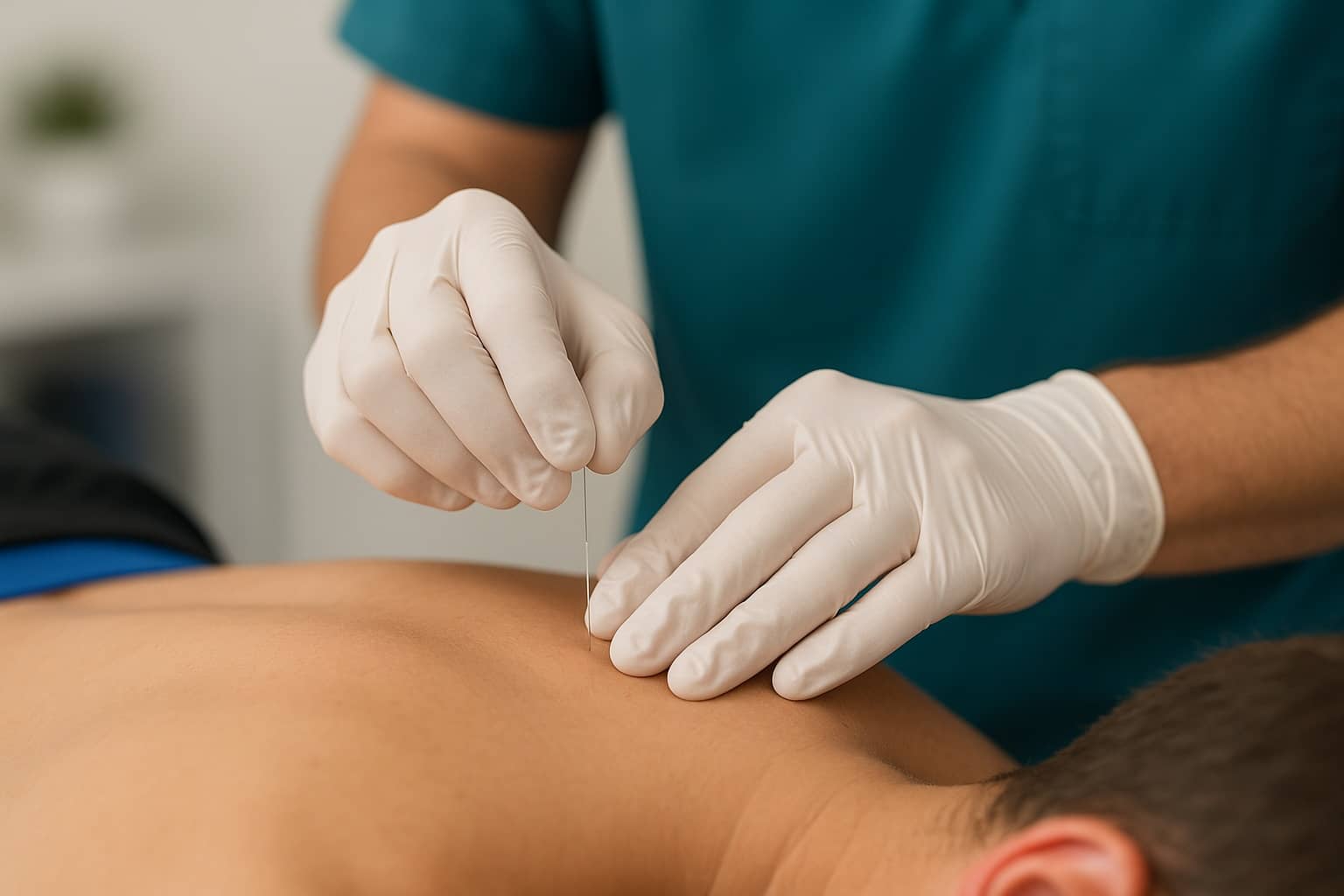
Muscle pain is one of the most common health concerns affecting adults today. It can result from a variety of factors, including acute injuries, repetitive overuse, poor posture, or chronic medical conditions. Persistent muscle tension can significantly limit mobility, reduce overall quality of life, and make even simple daily activities, such as bending, walking, or lifting, uncomfortable and challenging. While traditional treatments like medications, physical therapy, or surgery can help, many people are looking for non-invasive, effective alternatives that address the root cause of the problem rather than just masking symptoms.
Dry needling is emerging as a highly effective solution for muscle pain relief and functional restoration. This modern technique involves inserting fine, sterile needles into specific areas of tight muscle fibers, known as trigger points, to release tension, improve blood flow, and promote healing. Unlike general therapies that focus on symptom management, dry needling targets the underlying muscular dysfunction, offering precise, evidence-based relief.
In this comprehensive guide, we’ll delve into the science behind dry needling, explain how it works, discuss its benefits, highlight common conditions it can treat, and provide guidance on what to expect during a session. We’ll also answer frequently asked questions to help you determine if dry needling is the right approach for your pain management and mobility needs.
What is Dry Needling?
Dry needling is a modern, evidence-based therapeutic technique designed to treat muscle pain and dysfunction. It involves the insertion of thin, sterile needles into tight bands of muscle, known as trigger points, which are often the source of pain and restricted movement. The term “dry” sets it apart from injections, as no medication is used—the needles themselves stimulate the body’s natural healing response, promoting recovery from muscular tension and injury. Unlike acupuncture, which is rooted in traditional Chinese medicine and focuses on the flow of energy, dry needling is grounded in anatomy and physiology.
By targeting specific trigger points, this therapy releases muscle knots, improves blood circulation, reduces inflammation, and restores proper muscle function. Dry needling is effective for a wide range of musculoskeletal conditions, including chronic pain, sports injuries, postural-related tension, and restricted mobility. Its precise, minimally invasive approach provides safe, targeted relief while supporting long-term functional improvement and overall well-being.
How Dry Needling Works
Dry needling works through multiple mechanisms to relieve pain and restore muscle function. When thin, sterile needles are inserted into trigger points, they cause a brief muscle twitch that helps release tension and knots. This process improves blood flow, bringing oxygen and nutrients to the affected area while removing metabolic waste, which promotes healing. Additionally, dry needling reduces pain by calming overactive nerve endings and decreasing muscle sensitivity.
By targeting the root cause of muscle dysfunction, it helps restore normal movement, increase flexibility, and accelerate recovery. This makes dry needling an effective, evidence-based approach for managing musculoskeletal pain and improving overall mobility.
Trigger Point Release – Needles are inserted into knots or tight areas in the muscle, which often cause referred pain in other areas. The insertion can trigger a reflexive muscle twitch, releasing tension.
Increased Blood Flow – The needle stimulates circulation, bringing oxygen and nutrients to the affected tissue while removing waste products.
Pain Reduction – Dry needling can reduce pain through neurological responses, decreasing the sensitivity of nerve endings in the affected area.
Restored Mobility – By releasing tension and improving tissue function, muscles move more freely, improving range of motion and reducing stiffness.
Enhanced Recovery – It accelerates the healing process after injuries, sports strains, or chronic muscle tightness.
Benefits of Dry Needling
Dry needling provides a wide range of benefits for individuals experiencing muscle pain, restricted mobility, or sports-related injuries. One of its primary advantages is targeted pain relief, as it addresses the root cause rather than merely masking symptoms. It is a non-surgical, minimally invasive treatment that can accelerate recovery from injuries and chronic muscle tension.
Dry needling also improves flexibility and range of motion by releasing tight muscles and knots. Additionally, it complements physical therapy and rehabilitation programs, helping patients regain strength and function more effectively. Overall, it promotes faster healing, reduced inflammation, and enhanced overall mobility.
Effective Pain Relief – Targets the source of pain rather than just masking symptoms.
Non-Surgical Approach – A minimally invasive alternative to surgery or invasive procedures.
Faster Recovery – Can speed up healing from injuries, overuse, or repetitive strain.
Improved Flexibility and Mobility – Restores normal muscle function, allowing smoother movement.
Complementary to Physical Therapy – Works well alongside exercise, rehabilitation, and other therapies.
Reduces Muscle Tension – Helps release knots and relieve chronic tightness in targeted areas.
Common Conditions Treated with Dry Needling
Dry needling is a versatile and highly effective treatment for a variety of musculoskeletal conditions. It targets tight muscles, trigger points, and areas of inflammation to relieve pain and restore normal function. Some of the most common conditions treated with dry needling include chronic back pain, neck and shoulder tension, sports injuries, plantar fasciitis, and headaches caused by muscle tightness.
It is also effective for joint stiffness, postural-related pain, and limited mobility. By addressing the underlying muscular issues, dry needling provides targeted relief, improves range of motion, and supports faster recovery, making it suitable for patients of all ages and activity levels.
1. Back Pain
Chronic or acute back pain is often caused by muscle tension and trigger points. Dry needling can relieve tight muscles, reduce inflammation, and restore proper spinal mechanics.
2. Neck and Shoulder Pain
Trigger points in the neck and shoulder area can lead to stiffness, headaches, and limited range of motion. Dry needling targets these points to improve function and reduce discomfort.
3. Sports Injuries
Athletes frequently experience muscle strains, tendonitis, or repetitive stress injuries. Dry needling accelerates recovery, reduces downtime, and can prevent further injury.
4. Plantar Fasciitis
Tightness in the calf or foot muscles can contribute to plantar fasciitis. Dry needling relaxes these areas, reducing pain and supporting proper foot mechanics.
5. Headaches and Migraines
Tension in the neck, shoulders, and upper back can trigger headaches. Dry needling releases these muscles, alleviating pain and improving circulation.
6. Joint Stiffness and Limited Mobility
Muscle tightness often restricts joint movement. Dry needling improves flexibility and helps restore a normal range of motion.
7. Postural Pain
Poor posture can create chronic muscle tension in the back, neck, and shoulders. Dry needling releases the affected muscles, making it easier to maintain proper alignment.
What to Expect During a Session
Dry needling is a safe, minimally invasive, and relatively quick procedure that provides effective relief for muscle pain and tension. Most patients can expect a straightforward process beginning with an initial consultation, where a licensed therapist evaluates their medical history, identifies trigger points, and develops a personalized treatment plan. The skin is cleaned, and thin, sterile needles are carefully inserted into targeted muscles, often causing a brief twitch or mild sensation.
Sessions typically last between 20 and 45 minutes, depending on the areas treated. Some soreness or minor bruising may occur, but most patients experience noticeable relief and improved mobility shortly after treatment.
Initial Consultation – Your therapist will assess your medical history, examine your posture, and identify trigger points causing pain.
Preparation – The skin is cleaned, and sterile, thin needles are selected.
Needle Insertion – Needles are inserted into the target muscles. A brief twitching or cramping sensation may occur.
Duration – Sessions typically last 20–45 minutes, depending on the number of areas being treated.
Aftercare – Some soreness or minor bruising may occur, but most patients feel relief within a few hours to a few days.
How to Prepare for Dry Needling
Wear comfortable clothing – Allows easy access to treatment areas.
Stay hydrated – Helps muscle recovery.
Communicate with your therapist – Share your pain levels, medical history, and any concerns.
Avoid heavy exercise immediately after – Let your muscles adjust and heal post-treatment.
Who Should Avoid Dry Needling
While dry needling is generally safe for most individuals, certain medical conditions or situations require extra caution. People with bleeding disorders or those taking blood-thinning medications may be at higher risk of bruising or complications. Individuals with active infections near the treatment area should avoid dry needling until fully healed. Those with severe osteoporosis or fragile bones may also need modified techniques to prevent injury.
Pregnant women should consult their healthcare provider before undergoing treatment. It is essential to discuss your medical history and any health concerns with a licensed and trained professional to ensure that dry needling is safe and appropriate for you.
Bleeding disorders or use of blood-thinning medications
Active infection near the treatment site
Severe osteoporosis or fragile bones
Pregnancy (consult your healthcare provider)
Always consult with a licensed and trained therapist to determine if dry needling is appropriate for you.
Comparing Dry Needling to Other Treatments
Treatment How It Works Benefits Recovery Time Invasiveness Dry Needling Targets trigger points with thin needles Pain relief, mobility, muscle relaxation Minimal Low Massage Therapy Manual manipulation of soft tissues Temporary relief, relaxation Minimal Low Physical Therapy Exercise, stretches, and strengthening Long-term functional improvement Varies Low Medication Anti-inflammatories or pain relievers Symptom control None Oral or topical Surgery Invasive repair or removal Structural correction Weeks to months High
Dry needling offers a unique combination of targeted pain relief, minimal downtime, and low invasiveness, making it ideal for many patients.
FAQs
Q1: Is dry needling painful?
A: Most patients experience a quick pinch or mild muscle twitch. Discomfort is usually brief and well-tolerated.
Q2: How many sessions will I need?
A: The number varies depending on the condition. Many patients experience noticeable improvement after 1–3 sessions, with long-term results from ongoing treatment.
Q3: Are there side effects?
A: Side effects are uncommon and may include minor soreness, bruising, or temporary fatigue. Serious complications are extremely rare.
Q4: Is dry needling safe?
A: Yes, when performed by licensed professionals, dry needling is considered safe and effective.
Q5: How long does relief last?
A: Relief duration varies by individual, condition, and lifestyle factors. Some experience lasting results after a few sessions, while others benefit from periodic maintenance treatments.
Q6: Can dry needling be combined with other therapies?
A: Absolutely. Many patients combine dry needling with physical therapy, stretching, or massage for enhanced results.
Real Patient Experiences
Sarah, 34, Summerville, SC: “I had chronic neck and shoulder pain for years. After just a few dry needling sessions at HealthWorks, I noticed a huge improvement. I can finally sleep comfortably and move freely again!”
James, 42, Summerville, SC: “As an avid runner, plantar fasciitis was sidelining me. Dry needling relieved the tension in my calves and feet, and I was back to running in weeks.”
Laura, 29, SC: “I was skeptical at first, but dry needling for my lower back pain was incredible. Minimal discomfort during the session and long-lasting relief afterward.”
Conclusion
Dry needling is a highly effective, non-surgical treatment designed to provide targeted relief for muscle pain and limited mobility. By focusing on trigger points—tight, overactive areas within the muscle—dry needling helps release tension, reduce inflammation, and stimulate the body’s natural healing processes. This precise approach not only alleviates pain but also restores flexibility, improves range of motion, and enhances overall physical function.
Unlike generalized therapies that address symptoms without treating the root cause, dry needling works at a muscular and neurological level, offering long-lasting benefits. It is especially beneficial for individuals dealing with chronic pain, recovering from injuries, experiencing sports-related strain, or coping with postural issues. Because it is minimally invasive, requires no medications, and has a low risk of complications, dry needling is a safe, evidence-based option for improving mobility, enhancing performance, and helping patients return to daily activities with less discomfort and greater ease.
Take the first step toward a pain-free, more active life today.
Experience the benefits of dry needling at HealthWorks Medical in Summerville, SC. Our licensed professionals provide personalized care tailored to your needs.
📍 Address: 1240-A Central Ave, Summerville, SC 29483
📞 Phone: (843) 821-8787
🌐 Website: https://healthworksmed.com
Don’t let muscle pain hold you back — schedule your consultation today and unlock your body’s full potential!